Restore Balance Panchakarma
A systematic method of cleansing the body, correcting internal imbalances, and supporting your body’s natural ability to heal.
Request an Appointment
Table of Contents
✦ Treatments
Need personalized advice on Panchakarma?
Understanding Panchakarma in Ayurveda
Panchakarma is one of the most important therapeutic approaches described in Ayurveda. It is often understood as a detoxification process, but in clinical practice, it is much more than that.
It is a systematic method of cleansing the body, correcting internal imbalances, and supporting the body’s natural ability to heal.
The term Panchakarma means five actions. These actions refer to specific therapeutic procedures used to eliminate accumulated toxins from the body.
Ayurveda considers each individual unique, and therefore Panchakarma is always planned according to the individual’s constitution and current health condition.
The principles of Panchakarma are described in classical Ayurvedic texts such as the Charaka Samhita and Ashtanga Hridaya, where it is defined as a method of purification that helps restore balance in the body.
The Foundation of Health According to Ayurveda
To understand Panchakarma, it is important to understand how Ayurveda defines health. A person is considered healthy when:
- Digestion is proper
- The three doshas are balanced
- Body tissues are functioning normally
- Waste products are eliminated efficiently
- Mind and senses are stable
The Role of Tridosha
- Vata governs movement and the nervous system
- Pitta governs digestion and metabolism
- Kapha provides structure and stability
When these three doshas remain balanced, the body functions normally. When they become imbalanced, symptoms begin to appear.
Agni and the Formation of Disease
Agni, or digestive fire, plays a central role in maintaining health.
When Agni is strong, food is properly digested and nourishes the body. When Agni becomes weak, digestion becomes incomplete and leads to the formation of toxins known as Ama.
Ama is considered one of the primary causes of disease in Ayurveda. It accumulates in the body, blocks channels, and interferes with normal physiological functions.
Over time, this leads to various chronic conditions affecting digestion, metabolism, joints, skin, and overall energy levels.
Classical Understanding of Disease Progression
In Ayurveda, disease develops in stages.
Initially, doshas accumulate silently without symptoms. Then they become aggravated, spread through the body, and eventually localize in weaker tissues, where disease begins to manifest.
Panchakarma is most effective when performed before or during early stages, as it helps remove aggravated doshas before deeper tissue damage occurs.
Why Panchakarma is Needed in Modern Lifestyle
In current times, many factors contribute to the formation of Ama and dosha imbalance:
- Irregular eating habits
- Processed and incompatible foods
- Chronic stress and lack of sleep
- Sedentary lifestyle
- Environmental exposure
These factors gradually weaken digestion and lead to toxin accumulation.
Panchakarma provides a structured method to remove these toxins and restore balance.
The Individualized Nature of Panchakarma
Panchakarma is not a standard treatment.
Each individual has a unique constitution and a different pattern of imbalance. Therefore, treatment is customized based on:
- Body constitution
- Current imbalance
- Strength and age
- Nature and duration of disease
Because of this, Panchakarma requires careful planning and supervision by a qualified Ayurvedic doctor.
The Three Stages of Panchakarma Treatment
Panchakarma is performed in three structured stages.
1. Preparation Phase
Before cleansing begins, the body is prepared to mobilize toxins from deeper tissues.
Snehan
Snehan involves the use of medicated oils either internally or externally. This process helps loosen toxins that are lodged in tissues and brings them into circulation. It also nourishes the tissues and supports the nervous system.
Swedana
Swedana is a sweating therapy performed after oil application. It liquefies toxins and directs them toward the digestive system for elimination.
This phase usually lasts for a few days until the body is ready for the main procedures.
2. Main Cleansing Procedures
Once the body is prepared, specific therapies are selected based on the patient’s condition.
Vamana
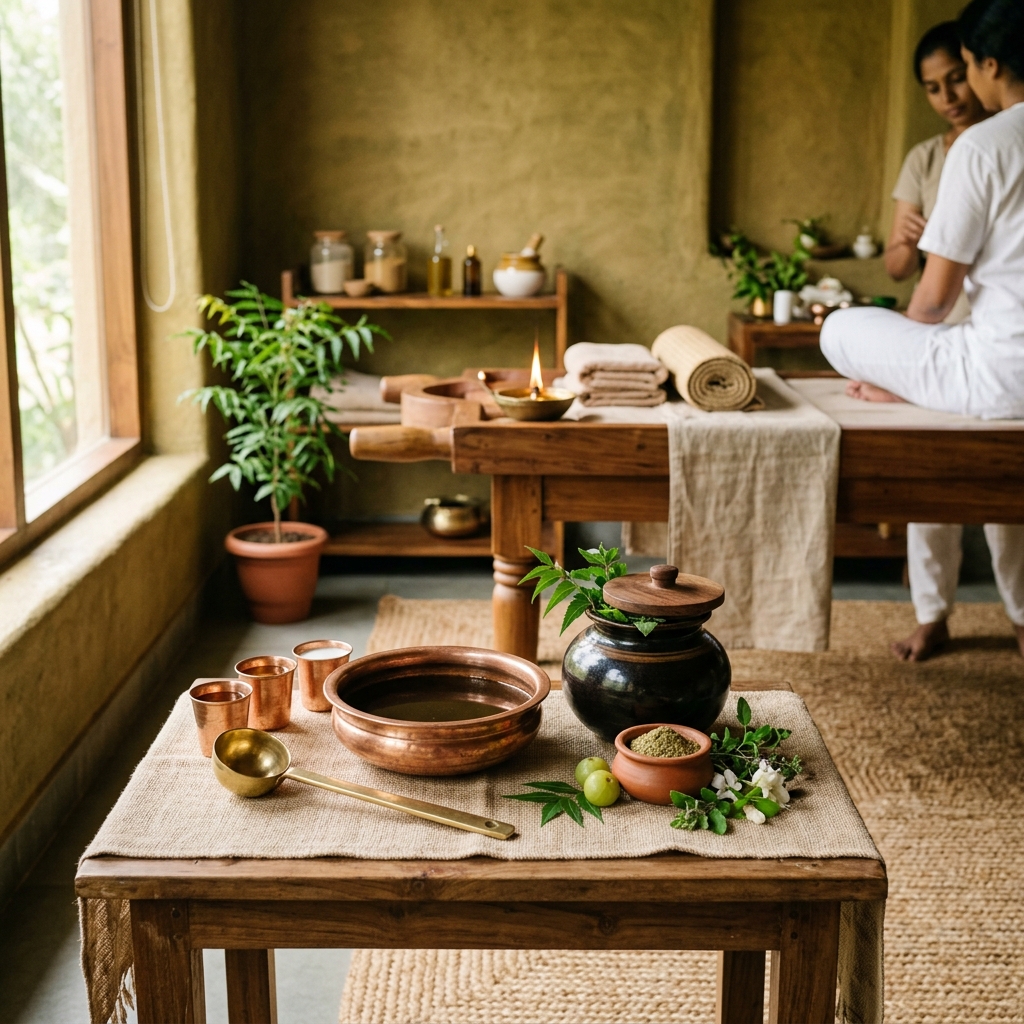
A controlled therapeutic vomiting procedure used primarily in Kapha-related disorders such as respiratory congestion.
Virechana
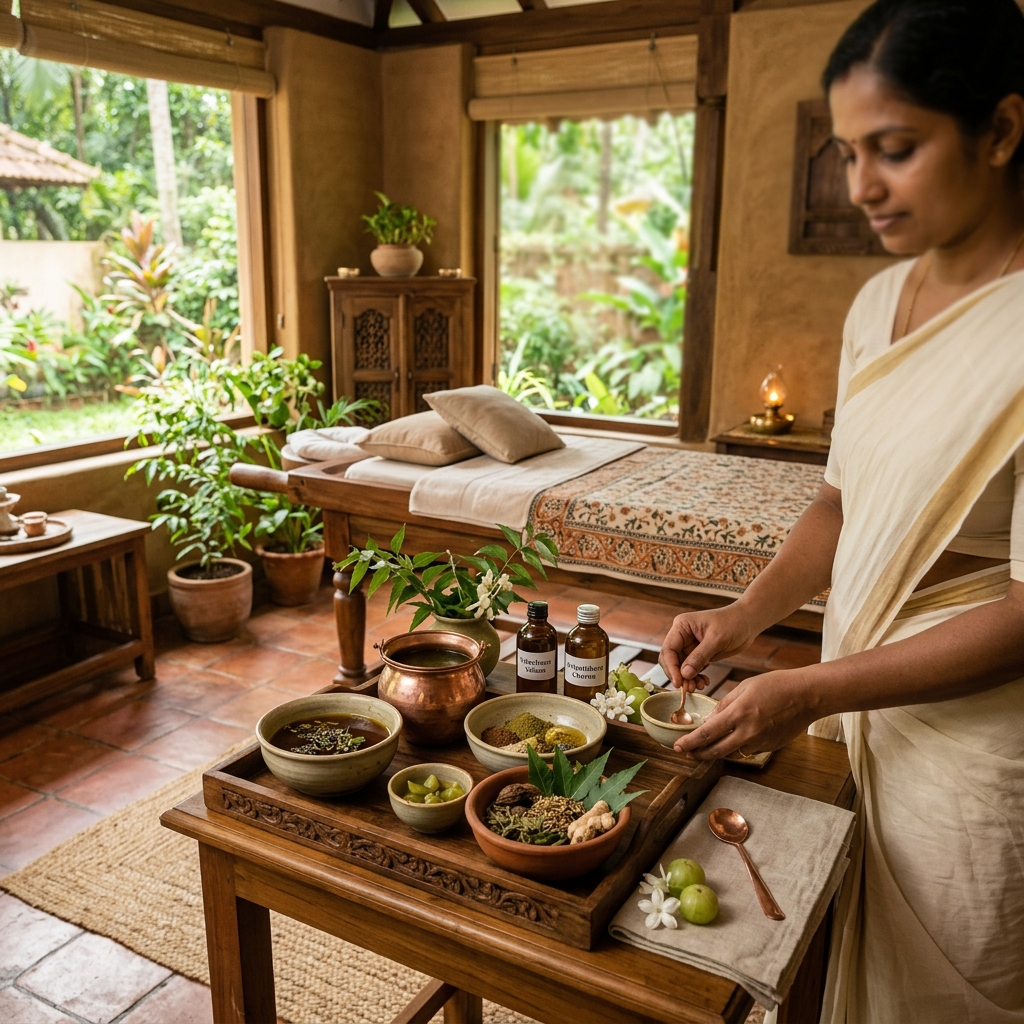
A purgation therapy used to eliminate excess Pitta from the liver and intestines. Commonly used in skin and digestive disorders.
Basti

Basti is considered one of the most important therapies in Panchakarma. It involves medicated enemas and is especially effective in Vata disorders such as joint pain, back pain, and neurological conditions.
Nasya
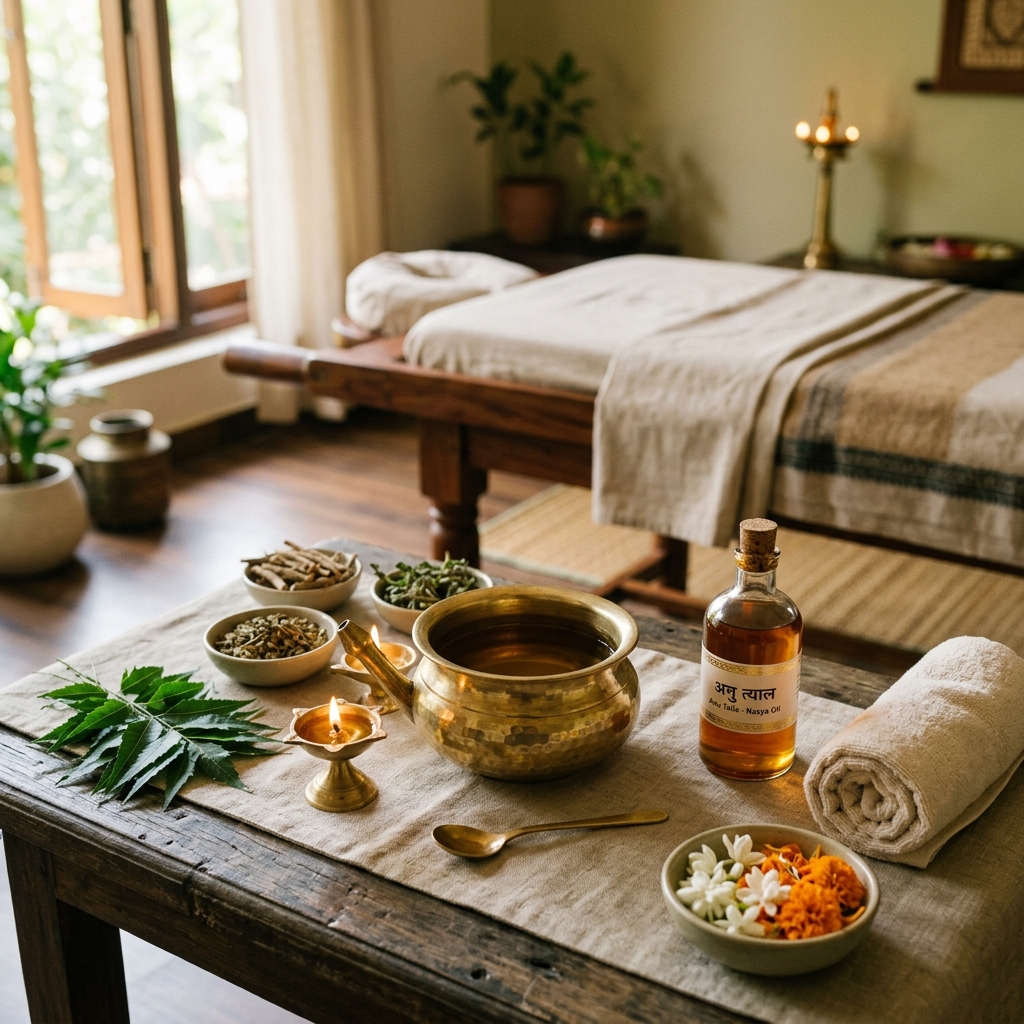
Nasya involves administering medicated oils through the nose. It helps clear toxins from the head region and improves sinus, neurological, and sensory functions.
Raktamokshana
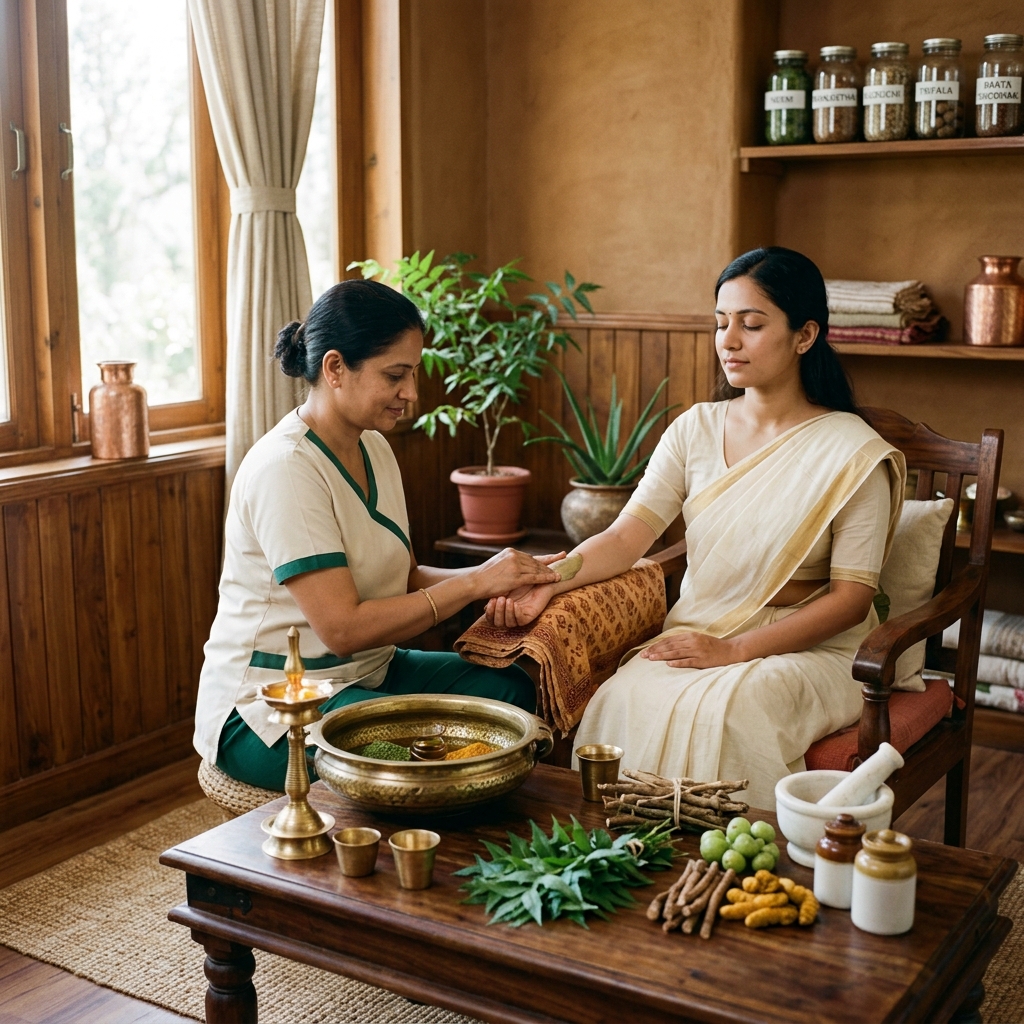
This therapy is used in specific conditions requiring purification of blood, particularly certain skin and inflammatory disorders.
Not all therapies are used in every patient. The selection depends on clinical evaluation.
Important Clinical Insight on Basti
Among all Panchakarma therapies, Basti is often considered the most significant because Vata plays a major role in many diseases. By balancing Vata, Basti indirectly helps regulate other doshas as well.
3. Recovery Phase
After cleansing, the body becomes sensitive and digestion is relatively weak.
Samsarjana Krama
A structured dietary plan is followed where food is gradually reintroduced. This helps restore digestive strength safely.
Rasayana
Rejuvenation therapies may be given to strengthen tissues, improve immunity, and promote long-term health.
What Happens During Panchakarma
Panchakarma works at multiple levels:
- It improves digestion
- It clears metabolic waste
- It opens blocked channels
- It supports circulation
- It restores physiological balance
Patients often experience improved digestion, better sleep, increased energy, and a sense of lightness.
Benefits of Panchakarma
- Removes accumulated toxins
- Improves digestion and metabolism
- Enhances elimination of waste
- Supports immune function
- Improves mental clarity
- Reduces stress and fatigue
- Supports long-term health and prevention
Conditions Where Panchakarma is Used
- Digestive disorders such as acidity and bloating
- Metabolic conditions such as obesity
- Joint disorders such as arthritis
- Skin conditions such as psoriasis and eczema
- Hormonal imbalance
- Stress-related disorders
It is also used as a preventive approach.
Diet During Panchakarma
Diet plays a crucial role during Panchakarma.
Light, warm, and easily digestible food is recommended. Kitchari made from rice and mung dal is commonly used because it is gentle on digestion and supports detoxification.
Additional Dietary Insight
During Panchakarma, digestion temporarily becomes weaker as the body focuses on cleansing. Simple food prevents further toxin formation and supports recovery.
Cold food, processed food, caffeine, and heavy meals are avoided.
Lifestyle During Panchakarma
- Adequate rest is essential
- Avoid physical exertion
- Avoid stress and overstimulation
- Maintain a calm and stable routine
This allows the body to focus fully on healing.
Safety and Supervision
Panchakarma is a medical treatment and should always be done under professional supervision.
It is not recommended to perform Panchakarma at home without guidance.
Special care is required in pregnancy, severe weakness, and acute illness.
A Clinical Perspective
Panchakarma is not a quick solution but a gradual and structured process.
Some individuals notice early improvements in digestion and energy. Others may take longer depending on the severity and duration of their condition.
The effectiveness depends on proper diagnosis, therapy selection, and adherence to diet and lifestyle guidelines.
Final Understanding
Panchakarma is not only about removing toxins. It is about restoring balance within the body.
When digestion improves, toxins reduce. When toxins reduce, tissues function properly. When tissues function properly, overall health improves.
This is the fundamental principle of Panchakarma in Ayurveda.
Frequently Asked Questions
It is a process of cleansing the body and restoring internal balance.
It ranges from a few days to a few weeks depending on the condition.
It depends on individual health and requires proper evaluation.
It is not recommended without professional supervision.
Medical Disclaimer
This content is for educational purposes only and should not be considered medical advice. Always consult a qualified Ayurvedic doctor before undergoing any treatments.
Specialists