
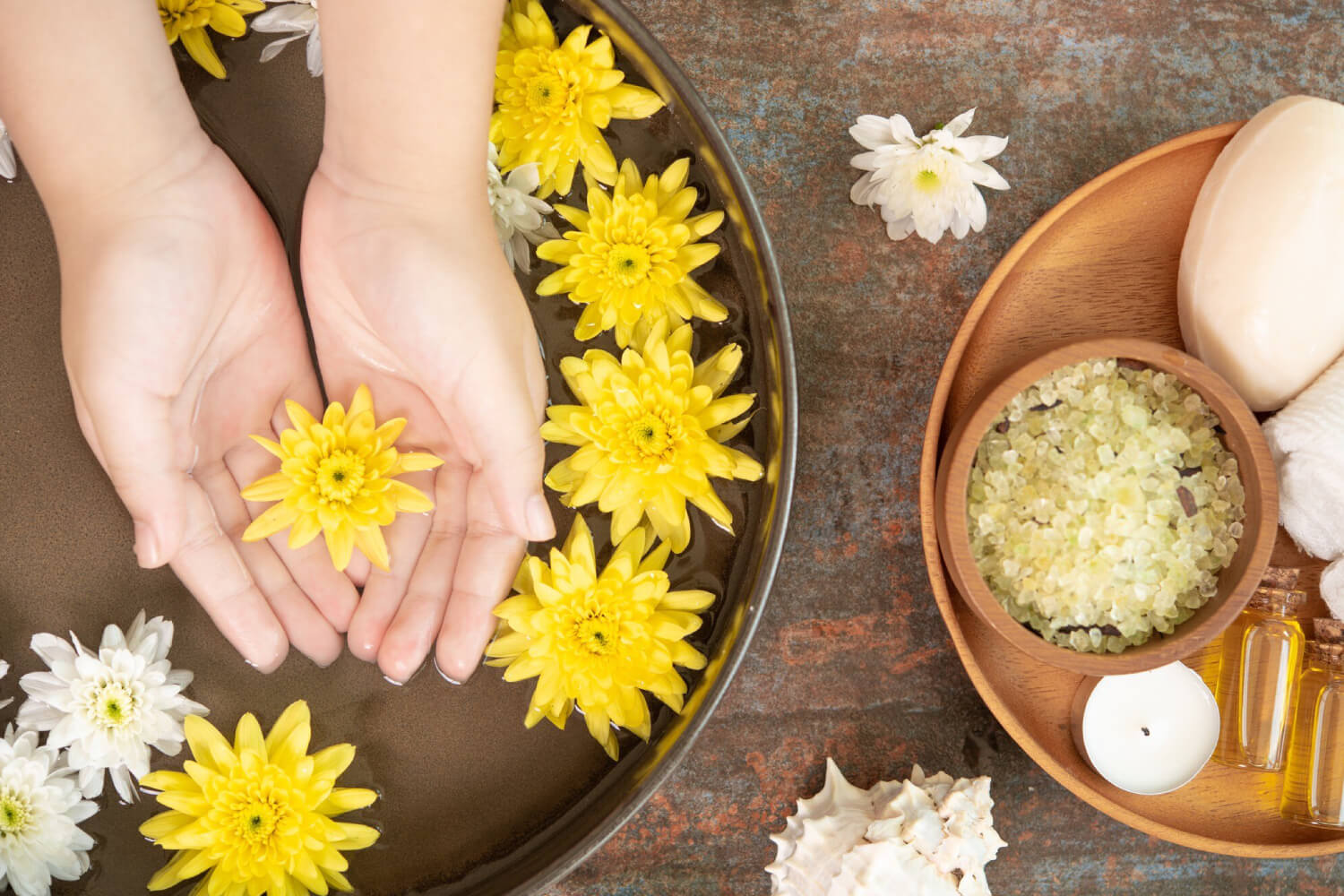
Skin Disorders
Ayurvedic Skin Care Treatment, known as Twak Roga Nivarana Chikitsa, is a holistic approach to maintaining healthy skin and managing skin disorders through Ayurveda.
Request an Appointment
Table of Contents
✦ Related Conditions
Need personalized advice?
Reviewed by Dr. Sumana Patwardhan
BAMS, MD (Ayurveda) | Senior Ayurvedic Physician | Adyant Ayurveda
Medical Disclaimer: This content is intended for educational purposes only and should not be considered a substitute for professional medical advice, diagnosis, or treatment. Individual skin conditions require personalized evaluation by a qualified healthcare professional.
What is Ayurvedic Skin Care Treatment?
Ayurvedic Skin Care Treatment, known as Twak Roga Nivarana Chikitsa, is a holistic approach to maintaining healthy skin and managing skin disorders through Ayurveda. Rather than treating only visible symptoms, Ayurveda focuses on identifying and correcting the underlying imbalances responsible for skin problems.
According to Ayurvedic principles, most skin diseases arise due to an imbalance of the three doshas—Vata, Pitta, and Kapha. These imbalances may be influenced by diet, lifestyle, digestion, stress, environmental factors, and toxin accumulation within the body.
Ayurvedic skin care aims to restore internal balance through personalized diet, herbal support, lifestyle modifications, detoxification therapies, and natural skin care practices.
Quick Answers About Ayurvedic Skin Care
What is Ayurvedic Skin Care? Ayurvedic skin care is a holistic system that supports skin health through dosha balancing, digestive health optimization, personalized nutrition, herbal support, lifestyle modifications, and detoxification therapies.
What Causes Skin Diseases According to Ayurveda? According to Ayurveda, skin disorders may arise from dosha imbalances, toxin accumulation (Ama), impaired digestion (Mandagni), unhealthy dietary habits, stress, and environmental influences.
Can Ayurveda Help Chronic Skin Conditions? Ayurveda may be used as a supportive and complementary approach for chronic skin concerns through individualized treatment plans designed according to a person's constitution, health status, and specific condition.
How Ayurvedic Skin Care Treatment Works
Ayurvedic skin care focuses on treating the root cause of skin concerns, not just the visible symptoms. The treatment approach typically includes:
Dosha Assessment: Identifying imbalances in Vata, Pitta, or Kapha that may affect skin health.
Digestive Health Evaluation: Assessing digestion and the presence of Ama (metabolic toxins), which may contribute to skin problems.
Internal Balancing: Using personalized diet, herbal support, and lifestyle modifications to restore balance.
External Skin Care: Recommending herbal applications, medicated oils, and traditional Ayurvedic therapies when needed.
Panchakarma Support: In selected cases, detoxification therapies may be advised under Ayurvedic physician supervision.
This holistic approach aims to support healthy, clear, and naturally radiant skin from within.
Ayurvedic Skin Care Treatment at a Glance
| Overview of Ayurvedic Skin Care Treatment | |
|---|---|
| Primary Goal | Balance Vata, Pitta, and Kapha Doshas |
| Root Cause Addressed | Dosha Imbalance, Ama (Toxins), Poor Digestion |
| Internal Support | Ayurvedic Herbs, Diet, Lifestyle Modification |
| External Support | Herbal Applications, Oil Therapies |
| Detoxification | Panchakarma Therapies |
| Personalization | Based on Prakriti and Vikriti |
| Long-Term Focus | Prevention and Sustainable Skin Health |
Ayurveda’s Holistic View of Skin Health
Ayurveda considers the skin a reflection of overall physical, mental, and emotional well-being. Skin disorders are often viewed as external manifestations of deeper internal imbalances.
The Role of Ama (Toxins): Ama refers to metabolic waste and toxins formed due to poor digestion, unhealthy dietary habits, stress, and lifestyle disturbances. When Ama accumulates in the body, it may contribute to skin concerns such as acne, eczema, psoriasis, allergic skin reactions, premature aging, and pigmentation issues.
The Importance of Ojas: Ojas represents the body's vital essence and is associated with immunity, vitality, and natural radiance. Healthy Ojas supports: Glowing skin, Better hydration, Improved healing, Strong immunity, Youthful appearance, Healthy tissue nourishment.
Causes of Skin Diseases According to Ayurveda
Key causes of skin diseases include:
Dosha Imbalance
An aggravation of Vata, Pitta, or Kapha doshas can affect skin texture, moisture, sensitivity, and overall appearance.
Poor Digestion (Mandagni)
Weak digestive fire may result in incomplete digestion and the formation of Ama, which can contribute to various skin concerns.
Improper Diet
Excessive consumption of spicy foods, fried foods, processed foods, refined sugars, and incompatible food combinations may disturb dosha balance and affect skin health.
Stress and Emotional Factors
Chronic stress, anxiety, anger, and inadequate sleep can influence hormonal balance and overall skin wellness.
Environmental Factors
Pollution, chemical-based skin care products, excessive sun exposure, and seasonal changes may also contribute to skin imbalances.
Common Symptoms That May Indicate Dosha Imbalance
Skin symptoms often provide clues about underlying dosha disturbances and overall health status.
Common Skin Symptoms
Acne and recurrent breakouts, Excessive dryness, Redness and inflammation, Itching and irritation, Hyperpigmentation, White patches, Skin scaling, Rough texture, Excessive oiliness, Recurrent fungal infections.
Associated Systemic Symptoms
Indigestion, Bloating, Constipation, Acid reflux, Fatigue, Poor sleep quality, Stress and anxiety, Reduced energy levels.
Types of Skin Diseases in Ayurveda
Ayurveda classifies skin disorders into major and minor categories.
Mahakushta (Major Skin Disorders)
- EczemaVipadika
- PsoriasisKitibha
- LeprosyKushta
- Lichen PlanusSidhma
- VitiligoKotha
- Herpes and ZosterVisarpa
- PurpuraCharma Rakta
Kshudra Kushta (Minor Skin Disorders)
- AcneDarunaka
- ScabiesPama
- RingwormDadru
- AlopeciaIndralupta
- Contact DermatitisCharmadala
- BlistersVisphota
- ErysipelasSphota
Common Skin Conditions Managed Through Ayurveda
Conditions managed include:
Common Conditions
Acne, Psoriasis, Eczema, Vitiligo, Fungal Skin Infections, Contact Dermatitis, Rosacea, Urticaria (Hives), Hyperpigmentation, Dandruff, Dry Skin Conditions, Hair and Scalp Disorders.
Understanding Dosha-Based Skin Types
Skin characteristics based on dosha:
Vata Skin Type
Characteristics: Dry skin, Thin texture, Fine pores, Delicate appearance. Concerns: Dryness, Flaking, Premature wrinkles, Rough texture, Dull complexion.
Pitta Skin Type
Characteristics: Sensitive skin, Warm texture, Fair to reddish complexion. Concerns: Acne, Redness, Rosacea, Skin irritation, Hyperpigmentation, Sun sensitivity.
Kapha Skin Type
Characteristics: Thick skin, Oily texture, Larger pores. Concerns: Oily skin, Cystic acne, Fungal infections, Puffiness, Slow healing.
Signs of Dosha Imbalance in the Skin
Symptoms of imbalance by dosha:
Vata Skin Imbalance
Excessive dryness, Roughness, Cracked skin, Fine lines, Premature aging, Dull complexion.
Pitta Skin Imbalance
Redness, Acne breakouts, Burning sensation, Skin irritation, Inflammation, Increased sun sensitivity.
Kapha Skin Imbalance
Excessive oiliness, Enlarged pores, Cystic acne, Congested skin, Puffiness, Slow healing.
Principles of Ayurvedic Skin Care Treatment
Core principles include:
Dosha Balancing
Restoring the natural balance of Vata, Pitta, and Kapha.
Detoxification
Removing Ama and deeply accumulated toxins from the body.
Digestive Health Support
Strengthening Agni to prevent further toxin formation.
Stress Management
Managing emotional factors that affect skin health.
Natural Skin Nourishment
Using herbs and oils to support tissue repair and glow.
Common Herbs Used in Ayurvedic Skin Care
Herbs traditionally used:
Neem
Known for its cleansing and purifying properties.
Turmeric
Traditionally used to support healthy skin and maintain skin balance.
Aloe Vera
Provides cooling and soothing benefits.
Manjistha
Traditionally used for blood purification and skin support.
Sandalwood
Helps calm and cool the skin.
Gotu Kola
Supports skin rejuvenation and tissue repair.
Triphala
Promotes digestive health and natural detoxification.
Vetiver
Traditionally used for cooling and skin comfort.
Licorice
Supports healthy skin tone and complexion.
Ayurvedic Diet for Healthy Skin
Dietary recommendations for skin health:
Foods That May Support Skin Health
- Supportive FoodsFresh seasonal fruits, Green leafy vegetables, Whole grains, Healthy fats, Soaked nuts and seeds, Adequate hydration.
Foods That May Aggravate Skin Concerns
- Aggravating FoodsExcessively spicy foods, Deep-fried foods, Processed foods, Refined sugars, Carbonated beverages, Excessive junk food.
How Ayurveda Approaches Skin Disease Management
Comprehensive Ayurvedic management:
Comprehensive Assessment
Prakriti evaluation, Vikriti assessment, Dosha involvement, Digestive health review, Lifestyle assessment.
Root Cause Analysis
Ama accumulation, Agni status, Sleep quality, Stress levels, Dietary habits.
Personalized Treatment Planning
Herbal support, Diet modification, Lifestyle guidance, Stress management, Panchakarma when appropriate.
Daily Ayurvedic Skin Care Tips
Tips for specific skin types:
For Vata Skin
Use nourishing moisturizers, Stay hydrated, Consume warm foods, Protect skin from excessive cold.
For Pitta Skin
Use cooling products, Limit sun exposure, Consume cooling foods, Practice stress management.
For Kapha Skin
Cleanse regularly, Exercise consistently, Avoid heavy foods, Use gentle exfoliation.
Key Takeaways
Important points to remember:
Root Cause
Ayurvedic skin care focuses on identifying and addressing the root causes of skin concerns.
Dosha Balance
Dosha balance plays an important role in maintaining healthy skin.
Digestion
Digestive health and skin health are closely connected according to Ayurvedic principles.
Personalization
Personalized treatment plans are considered essential for optimal outcomes.
Lifestyle
Long-term lifestyle changes are an important part of Ayurvedic skin wellness.
When Should You Consult a Doctor for Skin Problems?
Seek professional evaluation if you experience: Rapidly spreading rashes, Severe itching, Persistent infections, Non-healing lesions, Suspicious skin growths, Recurrent flare-ups, Skin symptoms associated with fever.
Why Choose Adyant Ayurveda for Ayurvedic Skin Care?
Our Treatment Philosophy: At Adyant Ayurveda, treatment recommendations are based on classical Ayurvedic principles, detailed patient assessment, and individualized care planning.
Our focus extends beyond symptom management to supporting sustainable lifestyle practices that promote long-term skin health and overall well-being.
The Adyant Ayurveda Skin Care Treatment Protocol: 1. Comprehensive Ayurvedic Consultation, 2. Root Cause Identification, 3. Personalized Treatment Planning, 4. Panchakarma Therapies (When Required), 5. Long-Term Skin Wellness Support.
The Adyant Ayurveda Skin Care Program Includes: Comprehensive consultation, Dosha assessment, Personalized diet recommendations, Lifestyle guidance, Herbal support, Panchakarma recommendations, Long-term wellness planning, Physician follow-up.
Conclusion
Ayurvedic Skin Care Treatment offers a holistic approach to supporting healthy skin by addressing dosha imbalances, digestive health, toxin accumulation, lifestyle factors, and overall well-being. Through personalized dietary guidance, herbal support, Panchakarma therapies, and sustainable lifestyle practices, Ayurveda aims to promote healthy skin from within.
At Adyant Ayurveda, our physicians focus on understanding each individual's unique constitution and skin concerns to create customized treatment plans that support long-term skin wellness and overall health.
Evidence-Based Note: Ayurveda has been used traditionally for skin health for centuries. However, treatment outcomes may vary between individuals. Patients with chronic, severe, or medically complex skin conditions should seek evaluation from qualified healthcare professionals and use Ayurvedic therapies under appropriate medical guidance.
Frequently Asked Questions
Ayurvedic skin care treatment is a holistic approach that focuses on balancing doshas, improving digestion, reducing toxins, and supporting healthy skin naturally.
Yes. Ayurvedic recommendations are personalized according to an individual's dosha constitution and skin characteristics.
Ayurveda may be used as a complementary approach for psoriasis management through individualized dietary guidance, lifestyle modifications, herbal support, and Panchakarma therapies when appropriate.
Ayurvedic treatment plans for eczema generally focus on identifying dosha imbalances, supporting digestion, and addressing contributing lifestyle factors.
Acne is often associated with Pitta imbalance, although Kapha involvement may also contribute in certain individuals.
Panchakarma therapies are traditionally used to support detoxification and dosha balance and may be recommended as part of a personalized treatment plan.
The timeline varies depending on the skin condition, dosha imbalance, lifestyle factors, and individual response to treatment.
Ayurveda emphasizes sustainable lifestyle practices and personalized care aimed at supporting long-term skin health and overall well-being.
Related Treatments
Atopic Dermatitis Ayurvedic Treatment
Experience holistic Ayurvedic approach to restoring natural vitality naturally.
Ayurvedic Treatment for Dandruff
Experience holistic Ayurvedic approach to restoring natural vitality naturally.
Ayurvedic Herbs, Medicines, and Home Remedies for Eczema (Vicharchika)
Experience holistic Ayurvedic approach to restoring natural vitality naturally.
Ayurvedic Treatment for Fungal Infections
Experience holistic Ayurvedic approach to restoring natural vitality naturally.
Ayurvedic Treatment for Hyperpigmentation
Experience holistic Ayurvedic approach to restoring natural vitality naturally.
Ayurvedic Eczema Treatment (Vicharchika)
Experience holistic Ayurvedic approach to restoring natural vitality naturally.
Ayurvedic Treatment for Skin Allergy
Experience holistic Ayurvedic approach to restoring natural vitality naturally.
Ayurvedic Treatment for Acne and Pimples on Face
Experience holistic Ayurvedic approach to restoring natural vitality naturally.
Ayurvedic Treatment for Psoriasis
Experience holistic Ayurvedic approach to restoring natural vitality naturally.
Ayurvedic Treatment for Vitiligo / Leucoderma
Experience holistic Ayurvedic approach to restoring natural vitality naturally.
Ayurvedic Treatment for Seborrheic Dermatitis
Experience holistic Ayurvedic approach to restoring natural vitality naturally.
Urticaria Ayurvedic Treatment / Hives
Experience holistic Ayurvedic approach to restoring natural vitality naturally.
Ayurvedic Treatment for Keratosis Pilaris
Experience holistic Ayurvedic approach to restoring natural vitality naturally.