
Panchakarma for Weight Loss
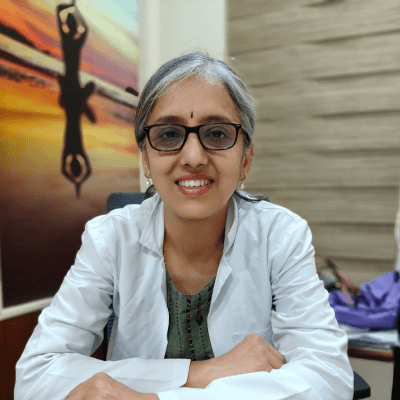
Ayurvedic Detox Therapy for Obesity, Belly Fat & Metabolic Health Written By: Dr. Shreelakshmi N, BAMS – Senior Ayurvedic Physician Medically Reviewed By: Dr. Sumana Patwardhan, BAMS, MD (Ayurveda) Medical Disclaimer This article is intended for educational purposes only and should not be considered medical advice, diagnosis, or treatment. Weight loss outcomes vary based on individual health conditions, body constitution, dietary habits, physical activity levels, hormonal status, and adherence to treatment. Panchakarma therapies should always be performed under the supervision of qualified Ayurvedic physicians.
Request an Appointment
Table of Contents
Need personalized advice?
Introduction
Obesity has emerged as one of the most significant health challenges worldwide. The increasing prevalence of sedentary lifestyles, processed foods, chronic stress, inadequate sleep, and hormonal imbalances has resulted in a growing number of individuals struggling with excess weight and associated metabolic disorders.
While many weight loss programs focus solely on calorie restriction and exercise, sustainable weight management requires addressing the underlying causes responsible for weight gain. Many people experience temporary weight loss only to regain the weight within months because the root causes remain unresolved.
Ayurveda approaches obesity differently. Rather than focusing exclusively on body weight, Ayurveda considers digestion, metabolism, hormonal balance, toxin accumulation, lifestyle habits, mental well-being, and body constitution.
Panchakarma, Ayurveda's classical detoxification and rejuvenation system, is often incorporated into comprehensive weight management programs to help restore metabolic balance, improve digestive efficiency, support healthy lifestyle habits, and promote long-term wellness.
At Adyant Ayurveda, Panchakarma is integrated with personalized diet plans, Ayurvedic medicines, lifestyle modifications, and physician-guided care to support healthy and sustainable weight management.
Understanding Obesity: More Than Just Excess Weight
Obesity is not merely a cosmetic concern. It is a complex health condition characterized by excessive accumulation of body fat that may negatively impact overall health and increase the risk of numerous chronic diseases.
Modern medicine recognizes obesity as a multifactorial condition involving genetic, metabolic, hormonal, behavioral, environmental, and psychological factors.
Health Risks Associated with Obesity
Excess body weight may increase the risk of:
- Type 2 Diabetes
- Prediabetes
- Hypertension
- Heart disease
- Stroke
- Fatty liver disease
- Sleep apnea
- Osteoarthritis
- Infertility
- Polycystic Ovary Syndrome (PCOS)
- Thyroid dysfunction
- Depression and anxiety
- Reduced quality of life
Visceral Fat and Metabolic Risk
Not all body fat carries the same health risk.
Visceral fat, which accumulates around internal organs, is particularly concerning because it is associated with:
- Insulin resistance
- Inflammation
- Hormonal disturbances
- Metabolic syndrome
- Cardiovascular disease
Therefore, effective weight management should focus not only on reducing body weight but also on improving metabolic health.
What Causes Weight Gain?
Weight gain is often the result of multiple interacting factors rather than a single cause.
Modern Medical Perspective
Common causes include:
Excess Calorie Intake
Regular consumption of calorie-dense foods can contribute to weight gain over time.
Sedentary Lifestyle
Reduced physical activity lowers energy expenditure and may promote fat accumulation.
Hormonal Imbalances
Conditions such as:
- Hypothyroidism
- PCOS
- Menopause
can influence body weight and metabolism.
Insulin Resistance
Insulin resistance often leads to increased fat storage and difficulty losing weight.
Sleep Disturbances
Poor sleep quality affects hunger-regulating hormones and may increase cravings.
Chronic Stress
Elevated stress levels may contribute to emotional eating and hormonal changes that support weight gain.
Genetic Factors
Genetics can influence metabolism, appetite regulation, and body fat distribution.
Obesity (Sthoulya) in Ayurveda
Ayurveda describes obesity as Sthoulya, a condition involving excessive accumulation of Meda Dhatu (adipose tissue) and aggravation of Kapha Dosha.
Classical Ayurvedic texts explain that obesity develops when digestion becomes impaired and metabolic processes function inefficiently.
Key Ayurvedic Factors Contributing to Obesity
Manda Agni (Weak Digestive Fire)
When digestive fire becomes weak, food is not completely metabolized.
Ama Accumulation
Incomplete digestion leads to the formation of Ama, often described as metabolic toxins or improperly processed metabolic waste.
Ama may obstruct physiological channels and interfere with normal metabolism.
Kapha Aggravation
Excessive Kapha may contribute to:
- Heaviness
- Sluggishness
- Fluid retention
- Increased fat accumulation
Sedentary Habits
Lack of physical activity may worsen Kapha imbalance and metabolic sluggishness.
Excessive Sleep
Daytime sleeping and prolonged inactivity are considered contributors to obesity in Ayurvedic literature.
Classical Ayurvedic Understanding
Ayurveda views obesity as more than excess body weight. It is considered a systemic imbalance affecting digestion, metabolism, circulation, mobility, and overall quality of life.
Obesity and Metabolic Disorders
In many individuals, obesity is closely linked with broader metabolic disturbances.
Common conditions associated with obesity include:
Type 2 Diabetes
Excess body fat contributes significantly to insulin resistance and diabetes risk.
Prediabetes
Early metabolic dysfunction often appears before the development of diabetes.
Fatty Liver Disease
Obesity is one of the leading risk factors for non-alcoholic fatty liver disease.
PCOS
Many women with PCOS experience weight gain and difficulty losing weight due to hormonal and metabolic factors.
Thyroid Disorders
Both hypothyroidism and other thyroid-related conditions can influence body weight and metabolism.
Hypertension
Excess weight places additional strain on the cardiovascular system.
Dyslipidemia
Obesity is frequently associated with elevated cholesterol and triglyceride levels.
At Adyant Ayurveda, obesity is often evaluated as part of a broader metabolic disorder rather than as an isolated condition. Treatment strategies are designed to address both weight management and underlying metabolic health.
When Should You Seek Professional Weight Management Support?
Many individuals attempt self-directed weight loss for years without achieving sustainable results.
Professional evaluation may be beneficial if you experience:
BMI Between 25 and 29.9
This is generally categorized as overweight.
BMI Above 30
This falls within the obesity category and may increase health risks.
Excess Abdominal Fat
Central obesity is associated with a higher risk of metabolic disease.
Difficulty Losing Weight
Despite diet and exercise efforts.
Hormonal Weight Gain
Associated with PCOS, thyroid disorders, menopause, or other endocrine conditions.
Metabolic Disorders
Such as:
- Prediabetes
- Diabetes
- Fatty liver disease
- Insulin resistance
Early intervention may help reduce future health risks and improve overall well-being.
Why Conventional Weight Loss Programs Often Fail
Many people successfully lose weight initially but struggle to maintain long-term results.
Common reasons include:
Crash Dieting
Severely restrictive diets are often difficult to sustain.
Muscle Loss
Rapid weight loss may reduce lean body mass rather than primarily reducing fat.
Hormonal Adaptation
The body may respond to prolonged calorie restriction by lowering metabolic rate.
Emotional Eating
Stress, anxiety, and emotional factors frequently influence eating behaviors.
Poor Sleep
Sleep deprivation can disrupt hunger and satiety hormones.
Lack of Individualization
Many generic weight loss programs fail to account for individual metabolic differences.
Weight Cycling
Repeated cycles of losing and regaining weight may further complicate long-term management.
Ayurveda aims to address these challenges by focusing on digestive health, metabolic efficiency, lifestyle modification, and personalized treatment strategies rather than short-term calorie restriction alone.
What is Panchakarma?
Panchakarma is Ayurveda's classical detoxification and rejuvenation system designed to eliminate accumulated toxins, restore doshic balance, improve digestion, and promote overall health.
The term Panchakarma is derived from two Sanskrit words:
- Pancha = Five
- Karma = Therapeutic Procedures
Traditionally, Panchakarma consists of five purification therapies. However, not every therapy is recommended for every patient. Treatment selection depends upon an individual's body constitution (Prakruthi), current imbalance (Vikruthi), age, strength, digestive capacity, disease condition, and treatment goals.
For obesity and weight management, physicians commonly select therapies that focus on Kapha reduction, Ama elimination, digestive enhancement, and metabolic correction.
Panchakarma and Weight Loss: Understanding the Ayurvedic Approach
Unlike conventional weight loss programs that focus only on reducing calories, Panchakarma aims to improve the body's internal environment.
According to Ayurveda, excess weight often develops due to:
- Weak digestion (Manda Agni)
- Ama accumulation
- Kapha aggravation
- Sedentary habits
- Poor dietary choices
- Metabolic imbalance
Panchakarma therapies are designed to address these underlying factors and support healthier metabolic functioning.
The goal is not merely weight reduction but improved overall health and long-term metabolic balance.
The Three Stages of Panchakarma
1. Purva Karma (Preparatory Phase)
Before detoxification begins, the body is prepared through specific therapies that help mobilize toxins from tissues into the digestive tract.
Common preparatory procedures include:
Deepana and Pachana
These therapies improve digestion and help digest accumulated Ama.
Snehapana
Internal administration of medicated ghee or oils.
Abhyanga
A full-body Ayurvedic oil massage that supports circulation and tissue nourishment.
Swedana
Herbal steam therapy that encourages sweating and toxin mobilization.
2. Pradhana Karma (Main Detoxification Phase)
This is the principal cleansing stage where selected Panchakarma procedures are performed.
The choice of therapy depends on the patient's clinical condition and treatment goals.
3. Paschat Karma (Recovery and Rejuvenation Phase)
Following detoxification, the digestive system and metabolism require gradual restoration.
This phase includes:
- Special dietary guidelines
- Lifestyle counseling
- Digestive strengthening measures
- Long-term maintenance plans
Proper post-treatment care is considered essential for sustaining therapeutic benefits.
How Panchakarma Supports Weight Management
Ama Elimination
Ayurveda considers Ama to be one of the major contributors to metabolic dysfunction.
By helping eliminate Ama, Panchakarma may support:
- Better digestion
- Improved metabolism
- Enhanced nutrient utilization
Agni Enhancement
Healthy digestion is central to Ayurvedic weight management.
Improving Agni may help:
- Process food more efficiently
- Reduce toxin formation
- Support healthy metabolism
Kapha Reduction
Many obesity-related symptoms are associated with excess Kapha Dosha.
Panchakarma therapies may help reduce:
- Heaviness
- Sluggishness
- Excess fat accumulation
- Water retention
Metabolic Support
A healthy metabolism is essential for sustainable weight management.
Panchakarma aims to improve metabolic efficiency through individualized treatment protocols.
Improved Gut Health
Digestive health plays a major role in overall metabolic function.
Therapies that improve bowel regularity and digestive efficiency may contribute to healthier weight management outcomes.
Lifestyle Transformation
One of the most important benefits of Panchakarma is the opportunity to reset dietary and lifestyle habits.
Patients often receive:
- Personalized dietary recommendations
- Sleep guidance
- Exercise recommendations
- Stress management strategies
Panchakarma Therapies Commonly Used for Weight Loss and Obesity Management
Vamana (Therapeutic Emesis)
Vamana is a specialized cleansing therapy primarily used for Kapha disorders.
In carefully selected patients, Vamana may help:
- Reduce excess Kapha
- Improve metabolic activity
- Address heaviness and lethargy
- Support obesity management
This therapy is only performed after proper preparation and physician evaluation.
Virechana (Therapeutic Purgation)
Virechana is one of the most commonly used Panchakarma procedures in metabolic disorders.
Potential benefits include:
- Elimination of accumulated toxins
- Improved digestive function
- Enhanced liver support
- Better metabolic regulation
Virechana is frequently incorporated into Ayurvedic obesity management programs.
Lekhana Basti
Lekhana Basti is a specialized medicated enema used in obesity and metabolic disorders.
Potential benefits may include:
- Support for fat metabolism
- Improved bowel function
- Reduction of stubborn fat accumulation
- Better metabolic balance
Supportive Ayurvedic Therapies Used Alongside Panchakarma
While not classical Panchakarma procedures, the following therapies are frequently integrated into weight management programs.
Udwarthanam
Udwarthanam is a specialized dry herbal powder massage performed against the direction of hair growth.
This therapy is highly popular in Ayurvedic obesity management.
Potential benefits include:
- Improved circulation
- Reduction in body heaviness
- Support for inch loss
- Kapha reduction
- Skin toning
Dhanyamla Dhara
Dhanyamla Dhara involves the continuous pouring of warm fermented herbal liquid over the body.
Potential benefits include:
- Reduction of Ama
- Improved circulation
- Relief from stiffness
- Support for metabolic activity
Choorna Swedana
This herbal powder fomentation therapy promotes sweating and circulation.
Potential benefits include:
- Detoxification support
- Kapha reduction
- Improved circulation
- Reduced heaviness
Valuka Swedana
Valuka Swedana utilizes heated sand for therapeutic fomentation.
It may be recommended for:
- Localized fat deposits
- Stiffness
- Musculoskeletal discomfort
Scientific Perspective on Panchakarma and Weight Management
Modern research suggests obesity is associated with:
- Chronic low-grade inflammation
- Insulin resistance
- Gut microbiome alterations
- Metabolic dysfunction
- Hormonal disturbances
Ayurvedic theory describes obesity as a condition involving Kapha aggravation, Ama accumulation, and impaired digestive function.
Several preliminary studies have explored the potential benefits of Panchakarma therapies in obesity and metabolic disorders.
Potential areas of benefit include:
- Digestive health
- Lifestyle modification
- Metabolic regulation
- Stress reduction
- Improved well-being
However, more large-scale, high-quality clinical research is needed to establish definitive conclusions regarding long-term weight loss outcomes.
For this reason, Panchakarma should be viewed as part of a comprehensive weight management strategy that includes appropriate diet, lifestyle modification, exercise, and physician-guided care.
Diet Recommendations During Panchakarma
Diet plays a crucial role in achieving and maintaining results.
Ayurveda generally recommends a Kapha-balancing diet during obesity management programs.
Foods Commonly Recommended
- Warm freshly prepared meals
- Green leafy vegetables
- Seasonal vegetables
- Whole grains
- Mung dal
- Herbal teas
- Warm water
These foods are generally easier to digest and support metabolic balance.
Foods Commonly Restricted
- Deep-fried foods
- Bakery products
- Refined sugar
- Processed foods
- Excess dairy
- Cold beverages
- Excessively heavy meals
Avoiding these foods may help reduce Kapha aggravation and support digestive efficiency.
Lifestyle Practices That Enhance Panchakarma Results
Panchakarma works best when combined with sustainable lifestyle modifications. While detoxification therapies help restore balance, long-term success depends upon maintaining healthy habits.
Daily Physical Activity
Regular exercise supports metabolism, circulation, and overall well-being.
Recommended activities include:
- Brisk walking
- Yoga
- Cycling
- Swimming
- Strength training
- Stretching exercises
Even 30–45 minutes of daily physical activity can contribute significantly to weight management.
Yoga for Weight Management
Certain yoga practices may support flexibility, digestion, stress reduction, and metabolic health.
Commonly recommended practices include:
- Surya Namaskar
- Trikonasana
- Bhujangasana
- Naukasana
- Pavanamuktasana
Yoga should be performed under proper guidance, especially in individuals with obesity-related joint concerns.
Pranayama and Breathing Techniques
Stress can influence eating behaviors and hormonal balance.
Pranayama practices may help:
- Improve oxygenation
- Reduce stress
- Enhance mental clarity
- Promote emotional well-being
Examples include:
- Anulom Vilom
- Bhramari
- Nadi Shodhana
- Deep diaphragmatic breathing
Sleep and Weight Management
Poor sleep quality has been linked with:
- Increased hunger
- Sugar cravings
- Hormonal imbalance
- Weight gain
Adults should aim for 7–8 hours of quality sleep each night.
Mindful Eating
Ayurveda emphasizes eating with awareness.
Simple recommendations include:
- Eating slowly
- Avoiding distractions while eating
- Consuming freshly prepared meals
- Avoiding overeating
- Maintaining regular meal timings
Who May Benefit from Panchakarma for Weight Loss?
Panchakarma may be considered for individuals experiencing:
- Obesity
- Overweight conditions
- Belly fat accumulation
- Metabolic syndrome
- Prediabetes
- Type 2 Diabetes
- PCOS-related weight gain
- Thyroid-related weight gain
- Fatty liver disease
- Sedentary lifestyle-associated obesity
- Emotional eating patterns
A detailed Ayurvedic assessment is necessary to determine suitability and treatment selection.
What Happens During Your First Consultation at Adyant Ayurveda?
At Adyant Ayurveda, every patient undergoes a comprehensive evaluation before beginning treatment.
Detailed Medical Assessment
Your physician may review:
- Medical history
- Current medications
- Existing health conditions
- Previous weight loss attempts
Weight and Lifestyle Assessment
Factors evaluated may include:
- Weight history
- Eating habits
- Physical activity
- Sleep quality
- Stress levels
Ayurvedic Assessment
Prakruthi Assessment
Understanding your natural body constitution.
Vikruthi Assessment
Identifying current imbalances.
Agni Assessment
Evaluating digestive strength and efficiency.
Ama Assessment
Assessing signs of metabolic toxin accumulation.
Dosha Evaluation
Determining the role of Vata, Pitta, and Kapha in weight gain.
Personalized Treatment Planning
Based on findings, your physician may recommend:
- Panchakarma therapies
- Ayurvedic medicines
- Dietary modifications
- Lifestyle interventions
- Follow-up consultations
Every treatment plan is individualized.
Benefits of Panchakarma for Weight Loss
Potential benefits may include:
Improved Digestion
Healthy digestion forms the foundation of Ayurvedic weight management.
Enhanced Metabolic Efficiency
Improved metabolic functioning may support healthier weight regulation.
Reduced Bloating and Heaviness
Many individuals report feeling lighter following detoxification therapies.
Better Energy Levels
Improved digestion and metabolic balance may contribute to increased vitality.
Improved Bowel Regularity
Digestive health and regular elimination are important components of overall wellness.
Better Sleep Quality
Many patients report improved sleep patterns after comprehensive lifestyle correction.
Improved Mental Clarity
Stress reduction and improved well-being may positively influence eating habits.
Sustainable Weight Management Support
The goal is not merely short-term weight loss but long-term lifestyle transformation.
Why Choose Adyant Ayurveda for Weight Management?
Experienced Ayurvedic Physicians
Our team of qualified Ayurvedic doctors has experience managing:
- Obesity
- Diabetes
- Thyroid disorders
- PCOS
- Fatty liver disease
- Metabolic disorders
Individualized Treatment Plans
Every patient receives a customized treatment strategy based on:
- Prakruthi
- Vikruthi
- Agni
- Dosha predominance
- Health goals
- Existing medical conditions
Comprehensive Care
Programs may include:
- Panchakarma therapies
- Ayurvedic medicines
- Diet counseling
- Lifestyle guidance
- Follow-up monitoring
Holistic Approach
Our objective is to improve overall metabolic health rather than focusing solely on body weight.
Panchakarma for Weight Loss in Bangalore
If you are searching for:
- Panchakarma for weight loss in Bangalore
- Ayurvedic treatment for obesity in Bangalore
- Ayurvedic weight loss treatment
- Panchakarma center near me
- Obesity treatment in Ayurveda
Adyant Ayurveda offers personalized weight management programs across multiple locations in Bengaluru.
Our centers are conveniently located at:
- Jayanagar
- Indiranagar
- Kalyan Nagar
- Bannerghatta Road
- Rajarajeshwari Nagar
References
1. Charaka Samhita – Sutra Sthana
2. Ashtanga Hridaya – Sutra Sthana
3. Sushruta Samhita
4. AYU Journal – Panchakarma and Obesity Research
5. Central Council for Research in Ayurvedic Sciences (CCRAS)
6. National Center for Biotechnology Information (NCBI)
7. World Health Organization (WHO) – Obesity and Overweight Guidelines
Conclusion
Obesity is a complex metabolic condition influenced by dietary habits, lifestyle factors, hormonal balance, digestive efficiency, and overall health. Sustainable weight management requires more than temporary calorie restriction or short-term dieting.
Panchakarma offers a holistic Ayurvedic approach aimed at improving digestion, reducing Ama, balancing doshas, supporting metabolism, and encouraging healthier lifestyle practices. When integrated with personalized dietary guidance, Ayurvedic medicines, physical activity, and physician-supervised care, Panchakarma may play a valuable role in comprehensive weight management.
At Adyant Ayurveda, treatment plans are individualized according to each patient's unique constitution, health condition, and treatment goals, helping support long-term metabolic health and overall well-being.
Book Your Consultation
Take the first step toward healthier weight management and improved metabolic health.
📞 Call: +91 99725 41009
📧 Email: info@adyantayurveda.com
📍 Centers:
- Jayanagar
- Indiranagar
- Kalyan Nagar
- Bannerghatta Road
- Rajarajeshwari Nagar
Frequently Asked Questions
Panchakarma may support obesity management by improving digestion, metabolism, lifestyle habits, and overall well-being.
Panchakarma may support overall fat reduction when combined with appropriate dietary and lifestyle modifications.
Treatment duration varies according to individual health conditions and may range from a few days to several weeks.
When performed under qualified Ayurvedic supervision, Panchakarma is generally considered safe for appropriately selected individuals.
Ayurvedic management may support metabolic health in individuals experiencing thyroid-related weight concerns.
Many women seek Ayurvedic support for PCOS-related weight management and hormonal balance.
Heavy, fried, processed, excessively sweet, and difficult-to-digest foods are generally restricted.
Ayurveda considers improved Agni (digestive fire) one of the primary mechanisms supporting metabolic balance.
Long-term outcomes depend on maintaining dietary discipline, regular exercise, healthy sleep, and lifestyle modifications.
The frequency depends on individual health status and physician recommendations.
Suitability depends upon overall health, strength, medical history, and physician evaluation.
Many individuals with diabetes undergo carefully planned Ayurvedic treatment programs after physician assessment.
Many patients use Ayurvedic therapies alongside conventional care. Treatment decisions should always be made in consultation with qualified healthcare professionals.
Improving digestive efficiency is one of the primary goals of Panchakarma therapy.
By promoting healthy digestion, metabolism, and lifestyle habits, Panchakarma may support long-term weight management.
Medical Disclaimer
This content is for educational purposes only and should not be considered medical advice. Always consult a qualified Ayurvedic doctor before undergoing any treatments.
Specialists