Panchakarma for Diabetes
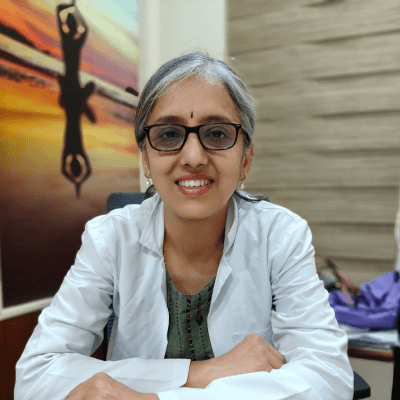
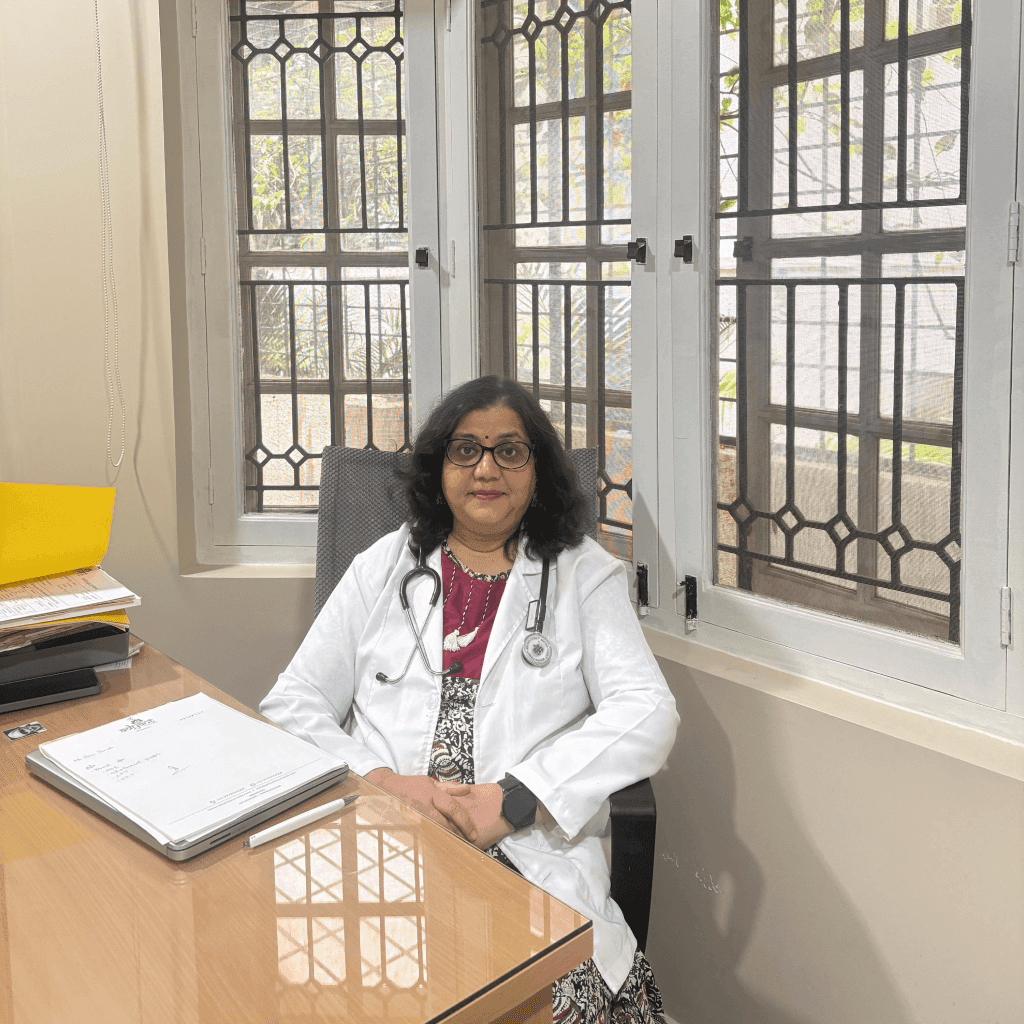
Written By: Dr. Shreelakshmi N, BAMS – Senior Ayurvedic Physician Medically Reviewed By: Dr. Sumana Patwardhan, BAMS, MD (Ayurveda) Medical Disclaimer This article is intended for educational and informational purposes only and should not be considered medical advice, diagnosis, or treatment. Diabetes is a serious chronic medical condition that requires professional medical evaluation and ongoing monitoring. Panchakarma therapies and Ayurvedic treatments should only be performed under the supervision of qualified Ayurvedic physicians. Individuals with diabetes should never stop prescribed medications or insulin therapy without consulting their healthcare provider. Results vary depending on age, medical history, diabetes severity, lifestyle habits, associated complications, and adherence to treatment recommendations.
Request an Appointment
Table of Contents
Need personalized advice?
Introduction
Diabetes has become one of the most common lifestyle-related health conditions worldwide. Sedentary routines, processed food consumption, obesity, chronic stress, poor sleep, and metabolic imbalance have contributed to a significant rise in Type 2 Diabetes and insulin resistance across all age groups.
In modern medicine, diabetes management typically focuses on blood sugar regulation and prevention of complications. Ayurveda, however, approaches diabetes more holistically by addressing digestion, metabolism, toxin accumulation, lifestyle patterns, stress, and systemic imbalance.
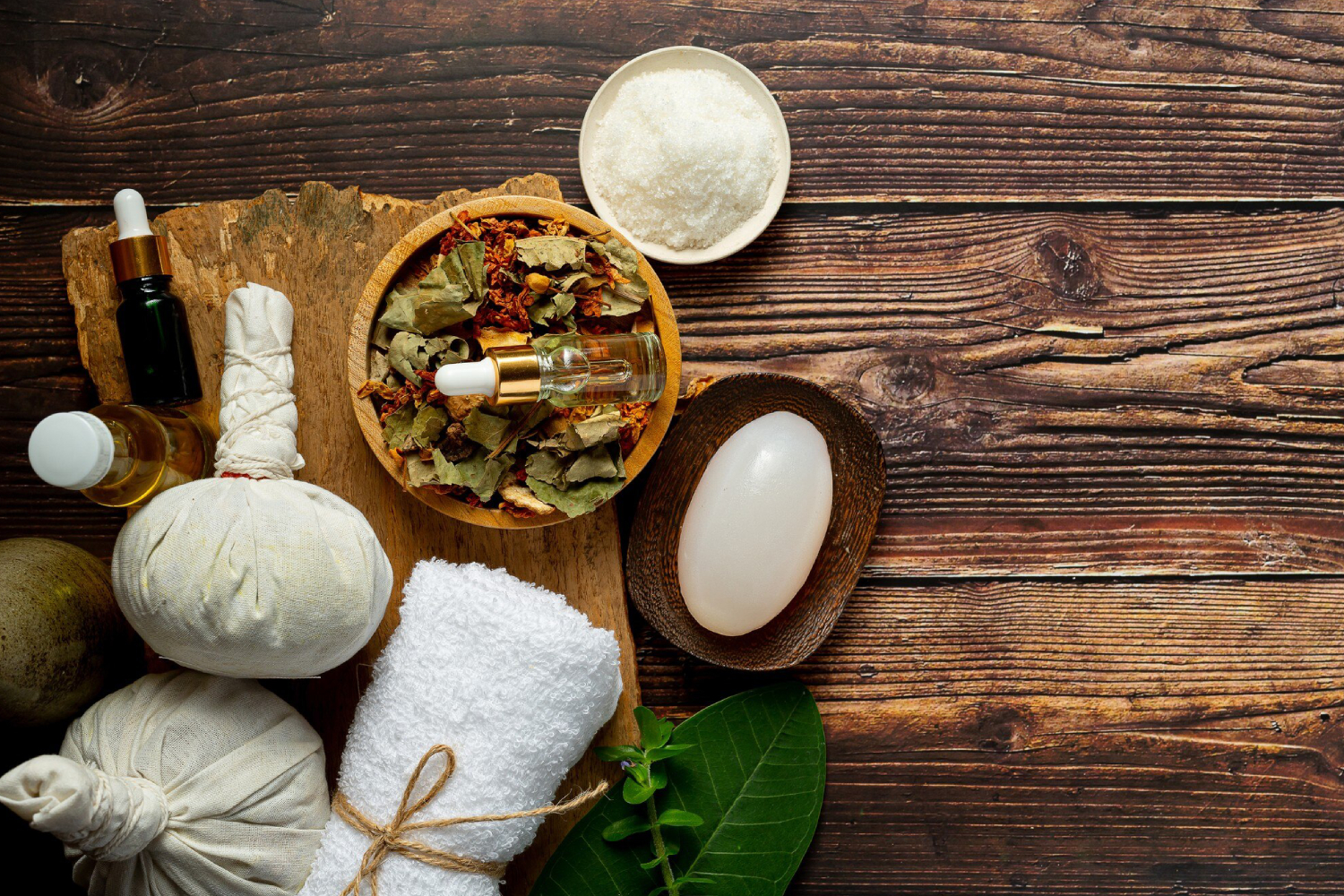
Panchakarma, Ayurveda’s classical detoxification and rejuvenation therapy system, is often incorporated into comprehensive diabetes wellness programs to support digestion, metabolism, circulation, and overall health.
At Adyant Ayurveda, Panchakarma therapies are personalized according to each individual’s constitution, health condition, digestive strength, and medical history.
Understanding Diabetes in Ayurveda
Ayurveda describes diabetes under the broader category of Prameha, with Madhumeha considered one of its advanced forms.
According to Ayurvedic principles, diabetes may involve:
- Impaired digestion (Agni dysfunction)
- Kapha imbalance
- Ama accumulation
- Sedentary lifestyle
- Excessive nourishment of Meda Dhatu (fat tissue)
- Metabolic dysfunction
Ayurveda views diabetes as a systemic condition affecting multiple body tissues and metabolic pathways.
What is Panchakarma?
Panchakarma is Ayurveda’s classical purification and rejuvenation therapy system designed to remove accumulated toxins and restore physiological balance.
The word Panchakarma means “five actions,” referring to five major detoxification procedures traditionally described in Ayurveda.
Panchakarma therapies are individualized according to:
- Dosha imbalance
- Digestive strength
- Age
- Disease severity
- Physical strength
- Existing medical conditions
Why is Panchakarma Used in Diabetes Management?
In Ayurveda, impaired digestion and Ama accumulation are believed to contribute to metabolic disorders, including diabetes.
Panchakarma may help support:
- Digestive efficiency
- Metabolic balance
- Weight management
- Circulation
- Stress reduction
- Lifestyle correction
- Detoxification support
The goal is not simply symptom control but supporting overall systemic wellness.
Common Panchakarma Therapies Used for Diabetes
Virechana (Therapeutic Purgation)
Virechana is commonly used in metabolic disorders associated with Pitta and Kapha imbalance.
Potential goals may include:
- Supporting detoxification
- Improving digestion
- Enhancing metabolic function
- Reducing Ama accumulation
This therapy is performed under physician supervision after preparatory procedures.
Basti Therapy (Medicated Enema)
Basti is considered one of Ayurveda’s important therapies for systemic balance.
In diabetes management, specialized Basti therapies may be selected to support:
- Metabolic regulation
- Nervous system balance
- Digestive health
- Vata management
Different forms of Basti are used depending on the patient’s condition.
Udwarthanam (Herbal Powder Massage)
Udwarthanam is a dry herbal powder massage commonly used in obesity and metabolic imbalance.
Potential benefits may include:
- Improved circulation
- Support for weight management
- Kapha reduction
- Reduction of sluggishness
It is often incorporated into metabolic wellness programs.
Swedana (Herbal Steam Therapy)
Swedana involves therapeutic sweating procedures.
Potential goals may include:
- Relaxation
- Improved circulation
- Reduction of stiffness
- Support for detoxification
Swedana is usually performed after Abhyanga or other preparatory therapies.
Abhyanga (Medicated Oil Massage)
Abhyanga is a therapeutic oil massage traditionally used to support:
- Relaxation
- Circulation
- Nervous system balance
- Stress reduction
Stress management is considered important in long-term diabetes care.
Shirodhara
Shirodhara involves the gentle pouring of medicated liquids over the forehead.
It may be recommended for individuals experiencing:
- Stress
- Anxiety
- Sleep disturbances
- Mental fatigue
Chronic stress may contribute to poor metabolic control and unhealthy lifestyle patterns.
How Panchakarma May Support Metabolic Health
Improving Digestive Function
Ayurveda considers healthy digestion essential for metabolic balance.
Panchakarma may help support:
- Agni correction
- Better digestion
- Improved bowel regularity
Supporting Weight Management
Obesity and insulin resistance are strongly associated with Type 2 Diabetes.
Combined with diet and lifestyle changes, Panchakarma therapies may support healthy weight-management programs.
Enhancing Circulation
Proper circulation is important for overall tissue nourishment and metabolic health.
Certain therapies may support circulatory wellness and reduce physical sluggishness.
Supporting Stress Reduction
Stress may negatively affect:
- Blood sugar regulation
- Sleep quality
- Appetite
- Hormonal balance
Relaxation-focused therapies may contribute to improved emotional well-being.
Ayurvedic Medicines Commonly Used Alongside Panchakarma
Ayurvedic medicines are selected according to individual needs.
Commonly used herbs and formulations may include:
- Guduchi
- Triphala
- Nishamalaki
- Vijaysar
- Guggulu preparations
- Chandraprabha Vati
- Arogyavardhini Vati
Herbal medicines should only be used under professional supervision.
Diet Recommendations During Panchakarma for Diabetes
Diet is considered a crucial part of Panchakarma therapy.
Foods Commonly Recommended
- Warm freshly prepared meals
- Green vegetables
- Whole grains
- Mung dal
- Herbal teas
- Fiber-rich foods
Foods Often Restricted
- Refined sugar
- Processed foods
- Fried foods
- Heavy oily meals
- Sugary beverages
- Excess dairy products
Diet plans are individualized according to digestion and health status.
Lifestyle Recommendations for Diabetes Management
Ayurveda strongly emphasizes long-term lifestyle correction.
Physical Activity
Recommended activities may include:
- Walking
- Yoga
- Cycling
- Stretching exercises
- Light strength training
Regular movement supports insulin sensitivity and weight management.
Yoga and Pranayama
Yoga practices may support:
- Stress reduction
- Flexibility
- Sleep quality
- Emotional well-being
Commonly recommended practices may include:
- Surya Namaskar
- Bhujangasana
- Vajrasana
- Anulom Vilom
- Nadi Shodhana
Sleep Optimization
Poor sleep may worsen:
- Insulin resistance
- Appetite regulation
- Stress
- Hormonal imbalance
Adults should aim for consistent and adequate sleep.
Who May Benefit From Panchakarma for Diabetes?
Professional Ayurvedic evaluation may be considered for individuals experiencing:
- Type 2 Diabetes
- Prediabetes
- Obesity
- Insulin resistance
- Fatty liver disease
- Metabolic syndrome
- Stress-related metabolic imbalance
Not every diabetic patient is suitable for all Panchakarma therapies.
Treatment plans must always be individualized.
Who Should Avoid Certain Panchakarma Therapies?
Some therapies may not be suitable for individuals with:
- Severe weakness
- Advanced diabetic complications
- Acute illness
- Severe cardiovascular disease
- Pregnancy
- Uncontrolled blood sugar levels
A detailed medical evaluation is necessary before beginning therapy.
Scientific Perspective on Panchakarma and Diabetes
Modern research suggests diabetes is strongly associated with:
- Obesity
- Chronic inflammation
- Insulin resistance
- Stress
- Sedentary lifestyle
- Sleep disturbances
Some preliminary studies suggest Ayurvedic lifestyle interventions and stress-management therapies may support metabolic wellness and quality of life.
However, larger high-quality clinical trials are still needed.
Ayurvedic therapies should therefore be viewed as complementary support rather than replacements for emergency or evidence-based diabetes care.
What Happens During a Panchakarma Consultation?
Medical Evaluation
Your physician may review:
- Blood sugar reports
- Current medications
- Medical history
- Weight history
- Digestive symptoms
- Sleep quality
- Stress levels
Ayurvedic Assessment
Evaluation may include:
- Prakruthi analysis
- Vikruthi assessment
- Agni evaluation
- Ama assessment
- Dosha imbalance analysis
Personalized Treatment Planning
Treatment plans may include:
- Panchakarma therapies
- Ayurvedic medicines
- Dietary correction
- Lifestyle modification
- Follow-up monitoring
Benefits of Panchakarma for Diabetes
Potential benefits may include:
- Improved digestion
- Better energy levels
- Stress reduction
- Weight management support
- Improved circulation
- Better sleep quality
- Enhanced well-being
Results vary between individuals.
Safety Considerations
Diabetes management requires ongoing medical supervision.
Important precautions include:
- Regular blood sugar monitoring
- Continue prescribed medications unless advised otherwise
- Avoid self-treatment
- Inform physicians about all therapies and supplements
- Seek immediate medical care for severe symptoms
Panchakarma should only be performed in qualified Ayurvedic centers.
Why Choose Adyant Ayurveda?
Experienced Ayurvedic Physicians
Our team has experience managing:
- Diabetes
- Obesity
- PCOS
- Fatty liver disease
- Metabolic syndrome
- Lifestyle disorders
Personalized Panchakarma Programs
Every therapy plan is customized according to:
- Constitution
- Digestive strength
- Disease severity
- Dosha imbalance
- Lifestyle patterns
Holistic Wellness Approach
Programs may include:
- Panchakarma therapies
- Ayurvedic medicines
- Diet counseling
- Lifestyle correction
- Stress-management support
- Long-term follow-up care
References
1. Charaka Samhita
2. Sushruta Samhita
3. Ashtanga Hridaya
4. Central Council for Research in Ayurvedic Sciences (CCRAS)
5. National Center for Biotechnology Information (NCBI)
6. World Health Organization (WHO)
7. AYU Journal – Ayurvedic Research Publications
Conclusion
Diabetes is a complex metabolic condition influenced by digestion, lifestyle habits, stress, obesity, and systemic imbalance. Panchakarma therapies aim to support metabolic wellness through detoxification, digestive correction, stress reduction, and lifestyle improvement.
When combined with physician-guided care, dietary correction, regular monitoring, physical activity, and appropriate medical supervision, Panchakarma may contribute to improved overall well-being and long-term metabolic support.
At Adyant Ayurveda, Panchakarma programs are individualized according to each patient’s constitution, medical history, and therapeutic goals.
Book Your Consultation
Take the next step toward better metabolic wellness and holistic diabetes support.
📞 Call: +91 99725 41009
📧 Email: info@adyantayurveda.com
📍 Centers:
- Jayanagar
- Indiranagar
- Kalyan Nagar
- Bannerghatta Road
- Rajarajeshwari Nagar
Frequently Asked Questions
Panchakarma does not claim guaranteed cures for diabetes. It may support overall metabolic wellness and lifestyle correction under professional supervision.
When properly supervised by qualified Ayurvedic physicians, selected therapies may be used safely in appropriate individuals.
Virechana, Basti, Udwarthanam, and stress-management therapies are commonly incorporated into metabolic wellness programs.
Certain therapies may support healthy weight-management programs alongside diet and physical activity.
The duration depends on the individual’s condition, health status, and treatment goals.
Many patients use Ayurvedic therapies alongside conventional medical treatment under physician supervision.
Medical Disclaimer
This content is for educational purposes only and should not be considered medical advice. Always consult a qualified Ayurvedic doctor before undergoing any treatments.
Specialists