
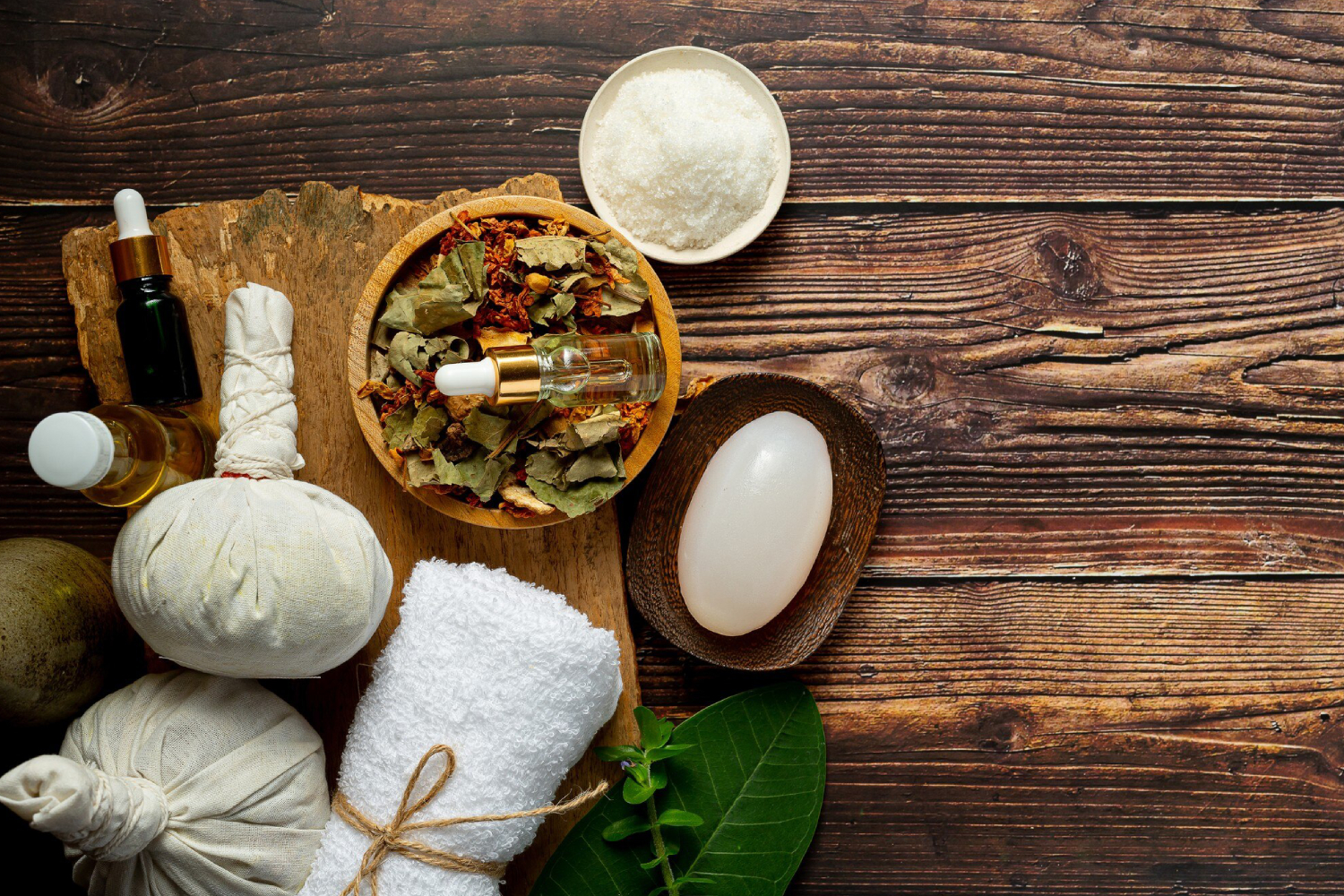
Female Infertility Treatment in Ayurveda
Experience holistic Ayurvedic approach to reversing the condition and restoring natural vitality naturally.
Request an Appointment
Table of Contents
Need personalized advice?
Description: Fetched live
Female Infertility Treatment in Ayurveda
Female infertility can affect physical health, emotional wellbeing, relationships, and confidence. Many women experience challenges related to hormonal imbalance, irregular ovulation, PCOS, stress, reproductive disorders, or age-related fertility changes. Ayurveda offers a holistic approach that focuses on balancing the body, supporting reproductive wellness, improving digestion and metabolism, and promoting overall wellbeing through personalized care.
Ayurvedic treatment for female infertility may include herbal support, Panchakarma therapies, dietary guidance, stress management, yoga, and lifestyle modifications under professional supervision. Rather than focusing only on symptoms, Ayurveda aims to understand the root imbalances that may influence reproductive health.
At our Ayurvedic clinic, treatment plans are individualized according to body constitution (Prakriti), dosha balance, lifestyle, hormonal health, digestion, sleep patterns, and stress levels.
Quick Answer: How Does Ayurveda Help Female Infertility?
Ayurvedic treatment for female infertility focuses on balancing doshas, supporting hormonal health, improving digestion and metabolism, nourishing reproductive tissues, reducing stress, and promoting overall reproductive wellness through personalized therapies, Panchakarma, herbal support, dietary guidance, and lifestyle modifications under medical supervision.
Key Highlights
- Personalized Ayurvedic treatment approach for reproductive wellness
- Focus on hormonal balance and menstrual health
- Panchakarma therapies may support detoxification and dosha balance
- Diet and lifestyle modifications are important for fertility support
- Stress management and sleep quality influence reproductive health
- Treatment plans vary according to individual assessment
- Professional medical evaluation remains important
What is Female Infertility?
Female infertility refers to difficulty in conceiving naturally despite regular unprotected intercourse for a prolonged period. It may occur due to ovulation disorders, hormonal imbalance, reproductive conditions, age-related factors, lifestyle habits, or structural abnormalities affecting the reproductive system.
Infertility may be temporary or long-term depending on the underlying cause.
Symptoms of Female Infertility
Common Symptoms
- Difficulty conceiving
- Irregular menstrual cycles
- Absent periods
- Painful menstruation
- Hormonal imbalance symptoms
- Ovulation problems
Additional Symptoms
- Acne or excessive facial hair
- Pelvic pain
- Heavy bleeding
- Mood fluctuations
- Fatigue
Symptoms That Should Not Be Ignored
- Severe pelvic pain
- Repeated miscarriages
- Sudden menstrual irregularities
- Extremely heavy bleeding
Causes of Female Infertility
Female infertility may involve multiple contributing factors.
Hormonal Causes
- PCOS
- Thyroid imbalance
- Ovulation disorders
Reproductive Conditions
- Endometriosis
- Fibroids
- Tubal blockage
- Pelvic inflammatory disease
Lifestyle Factors
- Obesity
- Sedentary lifestyle
- Smoking
- Poor sleep
- Chronic stress
Age-Related Factors
Fertility potential may gradually decline with increasing age.
Risk Factors for Female Infertility
- Increasing age
- Hormonal disorders
- Obesity
- Chronic stress
- Family history
- Poor diet
- Sleep disturbances
- Smoking and alcohol use
How Ayurveda Understands Female Infertility
According to Ayurvedic principles, female infertility may involve imbalance in Vata, Pitta, and Kapha doshas along with disturbances in Agni (digestive function), Artava Dhatu (reproductive tissue), and Srotas (body channels).
Dosha Involvement
Vata Imbalance
May affect ovulation, menstrual regularity, and reproductive function.
Pitta Imbalance
May influence inflammatory conditions and hormonal disturbances.
Kapha Imbalance
May contribute to metabolic imbalance, weight gain, and reproductive sluggishness.
Ayurveda emphasizes restoring balance through individualized therapies and lifestyle correction.
Ayurvedic Treatment for Female Infertility
Initial Ayurvedic Consultation
The consultation may include:
- Detailed medical history
- Menstrual assessment
- Prakriti analysis
- Digestive assessment
- Lifestyle evaluation
- Stress and sleep assessment
- Review of diagnostic reports
Internal Ayurvedic Approach
Ayurvedic management may focus on:
- Supporting digestive balance
- Improving metabolic function
- Reproductive tissue nourishment
- Stress management
- Hormonal wellness support
- Detoxification support
- Rejuvenation therapies
External Ayurvedic Therapies
Abhyanga
Traditional Ayurvedic oil massage that may promote relaxation and wellbeing.
Swedana
Herbal steam therapy that may support circulation and relaxation.
Therapeutic Oil Applications
Used according to individual assessment and practitioner guidance.
Panchakarma Treatment for Female Infertility
Panchakarma therapies may be recommended in selected cases after proper evaluation.
Virechana
May support dosha balance and metabolic wellness.
Basti
Traditionally used for Vata balance and reproductive health support.
Uttarbasti
Specialized Ayurvedic therapy performed only under expert supervision in selected cases.
Nasya
May support stress management and hormonal balance.
Swedana
Supports relaxation and detoxification processes.
Therapy selection varies according to individual assessment and clinical needs.
Ayurvedic Herbs Traditionally Used for Female Infertility
Herb
Traditional Purpose
Wellness Support
Shatavari
Women's health support
Reproductive tissue nourishment
Ashoka
Traditional female wellness support
Hormonal wellness
Lodhra
Reproductive health support
Menstrual balance
Guduchi
Immune support
General wellbeing
Turmeric
Supports inflammatory balance
Overall wellness
Herbal use should only be guided by a qualified Ayurvedic practitioner.
Diet Recommendations for Female Infertility
Foods to Include
- Fresh fruits and vegetables
- Warm freshly prepared meals
- Whole grains
- Nuts and seeds
- Healthy fats
- Fiber-rich foods
- Adequate hydration
Foods to Limit
- Excess sugar
- Highly processed foods
- Deep-fried foods
- Excess caffeine
- Packaged snacks
- Excess junk food
A balanced diet may support hormonal and metabolic wellness.
Lifestyle Modifications for Fertility Support
- Maintain regular sleep timing
- Follow a healthy daily routine
- Include moderate physical activity
- Practice stress reduction techniques
- Maintain healthy body weight
- Avoid smoking and alcohol
- Reduce screen exposure before sleep
Yoga and Exercise Recommendations
Yoga Poses
- Baddha Konasana
- Setu Bandhasana
- Viparita Karani
- Bhujangasana
Breathing Practices
- Anulom Vilom
- Deep breathing exercises
Physical Activity
- Walking
- Stretching
- Light exercise
Yoga and relaxation practices may support emotional wellbeing and stress management.
Stress and Female Infertility
Stress may influence hormonal balance, sleep quality, menstrual regularity, and emotional wellbeing. Ayurveda considers mental wellness an important part of reproductive health management.
Stress Management Approaches
- Meditation
- Mindfulness practices
- Yoga
- Sleep improvement
- Work-life balance
Ayurveda for PCOS-Related Infertility
PCOS is one of the common causes of infertility. Ayurvedic management may focus on:
- Metabolic balance
- Weight management
- Hormonal wellness support
- Menstrual regularity
- Lifestyle modifications
Treatment plans vary according to individual needs and associated symptoms.
Can Ayurveda Support Fertility Alongside IVF?
Some individuals choose Ayurvedic support alongside conventional fertility care under medical supervision. Lifestyle management, stress reduction, and dietary guidance may support overall wellbeing during fertility treatment planning.
Coordination between healthcare professionals is important.
How Long Does Ayurvedic Treatment Take?
Treatment duration varies according to:
- Age
- Severity of symptoms
- Hormonal status
- Existing medical conditions
- Lifestyle habits
- Treatment adherence
- Follow-up consistency
No fixed timeline can be guaranteed because every individual responds differently.
Benefits and Limitations of Ayurvedic Treatment
Potential Benefits
- Personalized care approach
- Lifestyle improvement
- Stress management support
- Holistic wellness focus
- Reproductive health support
Limitations
- Results vary among individuals
- Severe infertility conditions may require medical treatment
- Long-term consistency may be necessary
- Individual response differs
When Should You Consult a Fertility Specialist?
Seek medical evaluation if you experience:
- Difficulty conceiving after 12 months
- Severe pelvic pain
- Irregular periods
- Repeated miscarriages
- Heavy menstrual bleeding
- Hormonal symptoms
- Sudden reproductive health changes
Early assessment may help identify underlying causes.
Why Choose Our Ayurvedic Fertility Support Program?
Our approach focuses on:
- Individualized assessment
- Holistic reproductive wellness
- Diet and lifestyle guidance
- Panchakarma support where appropriate
- Stress management
- Long-term wellness planning
- Professional supervision
Every treatment plan is personalized according to the individual's condition and health profile.
Book an Ayurvedic Consultation for Female Infertility Support
A personalized consultation may help identify lifestyle, hormonal, digestive, and stress-related factors influencing reproductive wellness.
Consult a qualified Ayurvedic practitioner for individualized guidance and professional evaluation.
Author Information
Written By:
Dr. Shree Lakshmi N, BAMS – Ayurvedic Physician
Medically Reviewed By:
Dr. Sumana Patwardhan – Gynecologist & Women’s Health Specialist
Frequently Asked Questions
Ayurveda focuses on supporting reproductive wellness, hormonal balance, and overall health. Results vary depending on the underlying condition and individual response.
Selected Panchakarma therapies may be recommended depending on the individual assessment and practitioner guidance.
Shatavari is traditionally used in Ayurveda for women’s health and reproductive wellness support.
Chronic stress may influence hormonal balance, sleep quality, and emotional wellbeing.
Ayurvedic medicines and therapies should only be used under qualified professional supervision.
Some individuals use Ayurvedic support alongside conventional treatment under medical guidance.
Medical Disclaimer
This content is for educational purposes only and should not be considered medical advice. Always consult a qualified Ayurvedic doctor before undergoing any treatments.