Ayurvedic Treatment for Tennis Elbow
Experience holistic Ayurvedic approach to restoring natural vitality naturally.
Request an Appointment
Table of Contents
Need personalized advice?
Introduction
Tennis elbow, medically known as lateral epicondylitis, is a common condition that causes pain and tenderness on the outer part of the elbow. Despite its name, tennis elbow does not affect only athletes. It may occur in anyone who performs repetitive wrist, hand, or arm movements, including office workers, laborers, gym users, homemakers, mechanics, and computer professionals.
The condition may lead to elbow pain, reduced grip strength, stiffness, difficulty lifting objects, and discomfort during routine activities such as typing, cooking, writing, or carrying bags.
Many individuals seek Ayurvedic treatment for tennis elbow because Ayurveda focuses on holistic pain management, dosha balance, joint wellness, muscle recovery, lifestyle correction, and individualized care rather than symptom relief alone.
At Adyant Ayurveda, tennis elbow management protocols are personalized according to body constitution (Prakriti), dosha imbalance, pain severity, muscle involvement, occupation, lifestyle factors, and overall joint health.
This article explains:
- What tennis elbow is
- Common symptoms and causes
- How Ayurveda understands tennis elbow
- Panchakarma and Ayurvedic therapies
- Adyant Ayurveda treatment protocol
- Diet and lifestyle recommendations
- Exercises and rehabilitation support
- Scientific evidence and limitations
- When to seek medical attention
Important Medical Note: Persistent elbow pain may sometimes be associated with tendon tears, arthritis, nerve compression, fractures, or other orthopedic conditions. Proper medical evaluation is important before beginning treatment.
Quick Answer: How Does Ayurveda Help in Tennis Elbow?
Ayurvedic treatment for tennis elbow focuses on balancing aggravated Vata dosha, supporting joint and muscle wellness, improving circulation, reducing stiffness and discomfort, supporting tissue recovery, and incorporating personalized herbal support, Panchakarma therapies, lifestyle modifications, and rehabilitation guidance under professional supervision.
Key Highlights
- Ayurveda follows an individualized treatment approach for tennis elbow
- Vata imbalance is commonly associated with joint pain and stiffness
- Repetitive strain is a major contributing factor
- Panchakarma therapies may support muscle and joint wellness
- Lifestyle modification and ergonomic correction are important
- Physical rehabilitation plays an important role in recovery
- Persistent pain requires proper orthopedic evaluation
What Is Tennis Elbow?
Tennis elbow is an overuse injury affecting the tendons attached to the lateral epicondyle — the outer part of the elbow.
It commonly develops due to repetitive wrist and arm movements that strain the forearm muscles and tendons.
Commonly Affected Activities
- Racquet sports
- Computer work
- Weight lifting
- Carpentry
- Painting
- Cooking
- Gardening
- Repetitive manual labor
Physical Impact
- Pain while gripping objects
- Difficulty lifting items
- Arm weakness
- Elbow stiffness
Emotional Impact
- Frustration due to chronic pain
- Reduced work efficiency
- Sleep disturbances in severe cases
Quality of Life Impact
- Difficulty performing routine tasks
- Reduced sports participation
- Occupational limitations
Facts and Statistics About Tennis Elbow
- Tennis elbow commonly affects adults between 30–50 years
- Repetitive strain is a major risk factor
- Many affected individuals are non-athletes
- Computer-related repetitive strain may contribute to symptoms
- Early intervention may help reduce chronic tendon irritation
Common Symptoms
- Pain on the outer elbow
- Weak grip strength
- Tenderness around the elbow
- Pain during lifting or twisting movements
Moderate Symptoms
- Stiffness
- Forearm discomfort
- Difficulty holding objects
- Pain during typing or writing
Advanced Symptoms
- Persistent pain at rest
- Reduced arm function
- Severe grip weakness
- Sleep disturbances due to pain
Symptoms That Should Not Be Ignored
- Sudden severe swelling
- Numbness or tingling
- Severe weakness
- Fever with joint pain
- Loss of movement
These symptoms require medical evaluation.
Early Warning Signs
Common early signs may include:
- Mild elbow discomfort after repetitive work
- Temporary grip weakness
- Pain while twisting objects
- Forearm fatigue
Early management may help prevent worsening.
Repetitive Strain
Repeated wrist and forearm movements may strain tendons.
Sports-Related Causes
- Tennis
- Badminton
- Squash
- Weight training
Occupational Causes
- Computer work
- Carpentry
- Plumbing
- Painting
- Tailoring
Lifestyle Factors
- Poor ergonomics
- Overuse without rest
- Inadequate muscle conditioning
Risk Factors
- Repetitive arm movements
- Poor posture
- Sports overuse
- Occupational strain
- Weak forearm muscles
- Improper exercise technique
Mild Tennis Elbow
Pain mainly after activity.
Moderate Tennis Elbow
Pain during daily movements.
Severe Tennis Elbow
Persistent pain with reduced arm function.
Possible Complications if Left Untreated
- Chronic tendon irritation
- Reduced arm strength
- Difficulty performing routine tasks
- Long-term discomfort
- Reduced sports performance
How Is Tennis Elbow Diagnosed?
Diagnosis may involve:
- Medical history review
- Physical examination
- Grip strength testing
- Movement assessment
- Imaging in selected cases
Additional testing may be required to rule out arthritis or nerve conditions.
Conventional Treatment Overview
Conventional management may include:
- Rest
- Physiotherapy
- Ice therapy
- Bracing
- Anti-inflammatory medications
- Steroid injections in selected cases
- Surgery in severe cases
Treatment depends on severity and duration.
How Ayurveda Understands Tennis Elbow
According to Ayurvedic principles, tennis elbow may involve aggravated Vata dosha affecting muscles, tendons, and joints, leading to pain, stiffness, dryness, and restricted movement.
Dosha Involvement
- Primarily Vata imbalance
- Secondary Kapha involvement in stiffness or swelling
Dhatu Involvement
- Mamsa dhatu (muscle tissue)
- Asthi dhatu (bone tissue)
- Snayu (ligaments and tendons)
Ayurvedic Interpretation
Ayurveda emphasizes improving circulation, supporting tissue nourishment, reducing strain, and restoring movement balance.
Initial Ayurvedic Consultation
At Adyant Ayurveda, evaluation may include:
- Dosha assessment
- Pain severity analysis
- Joint mobility evaluation
- Occupational review
- Lifestyle analysis
- Muscle and tendon assessment
Internal Ayurvedic Approach
Treatment plans may focus on:
- Vata balance support
- Joint wellness support
- Muscle nourishment
- Metabolic balance
- Tissue recovery support
External Ayurvedic Therapies
Depending on individual assessment:
- Therapeutic oil applications
- Local joint therapies
- Heat therapies
- Muscle relaxation therapies
1. Detailed Ayurvedic Assessment
Each patient undergoes:
- Dosha evaluation
- Joint and muscle assessment
- Occupational strain analysis
- Posture review
- Lifestyle evaluation
- Movement assessment
2. Personalized Herbal Support
Protocols may include Ayurvedic formulations traditionally used for:
- Joint wellness
- Vata balance
- Muscle support
- General mobility support
- Tissue nourishment
3. Pain and Movement Support
At Adyant Ayurveda, management may include:
- Local therapies
- Supportive rehabilitation guidance
- Lifestyle modifications
- Ergonomic recommendations
4. Panchakarma Planning
Selected individuals may benefit from supervised Panchakarma therapies depending on:
- Severity
- Chronicity
- Muscle stiffness
- Overall joint health
5. Lifestyle and Ergonomic Guidance
Patients receive guidance regarding:
- Work posture
- Repetitive strain reduction
- Exercise modifications
- Rest periods
- Joint protection strategies
6. Long-Term Maintenance Support
Maintenance plans may focus on:
- Preventing recurrence
- Improving movement quality
- Supporting joint flexibility
- Lifestyle consistency
Panchakarma Therapies for Tennis Elbow
Therapy selection varies according to individual assessment and clinical needs.
Abhyanga
Therapeutic oil massage traditionally used for Vata balance and muscle relaxation.
Patra Pinda Sweda
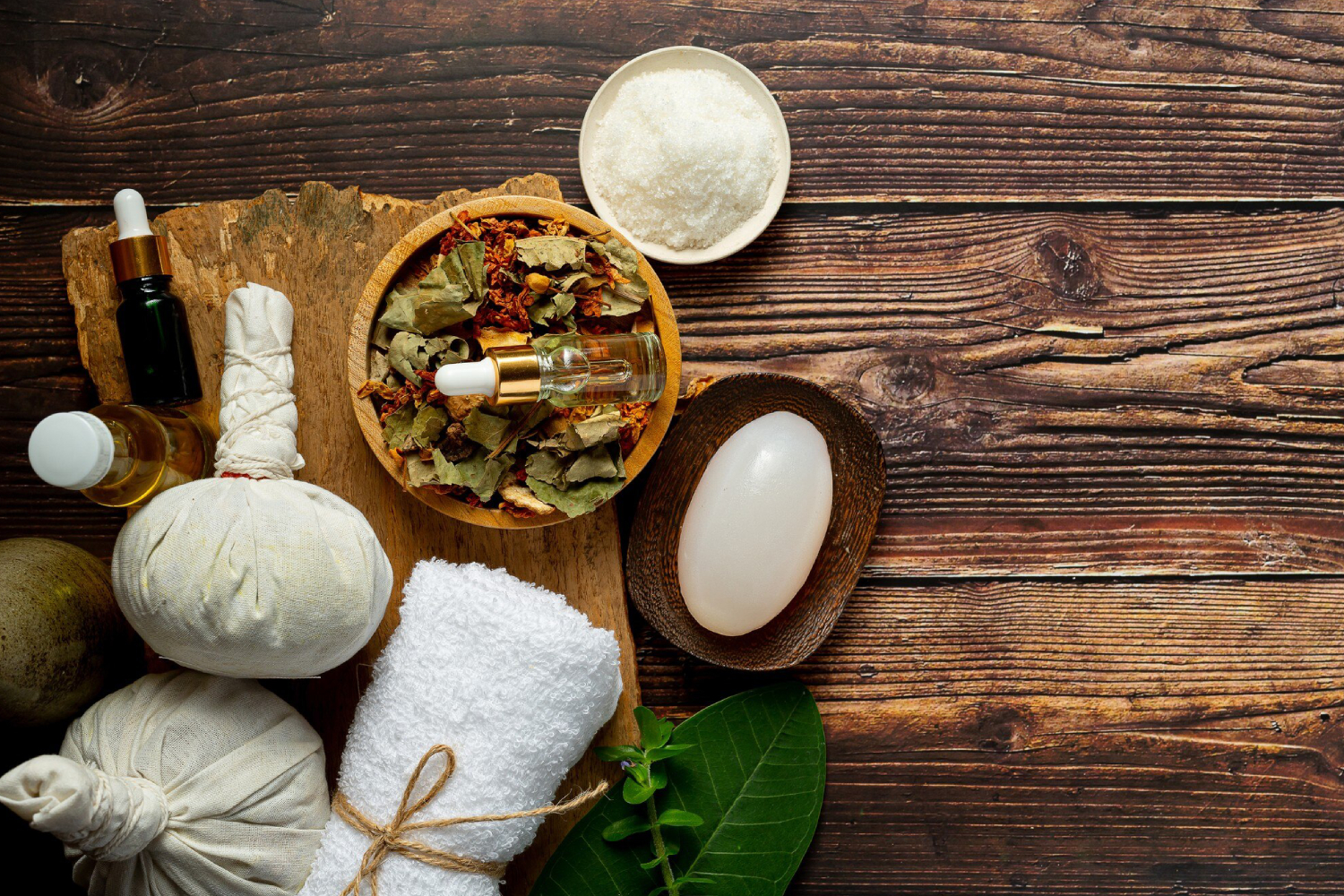
Traditional heat therapy using herbal boluses for stiffness support.
Kati and Local Basti Therapies
Localized oil-retention therapies may be recommended for joint support.
Upanaha Sweda
Traditional poultice therapy used in selected musculoskeletal conditions.
Ayurvedic Herbs Traditionally Used for Joint Wellness
Herbal selection should always be supervised by a qualified Ayurvedic practitioner.
Foods to Include
- Warm cooked meals
- Fresh vegetables
- Balanced protein sources
- Hydrating foods
- Healthy fats in moderation
- Easily digestible meals
Foods to Limit
- Excess processed foods
- Highly inflammatory dietary patterns
- Excess cold foods in sensitive individuals
- Excess alcohol
- Smoking exposure
Helpful Practices
- Take breaks during repetitive work
- Improve workstation ergonomics
- Maintain regular stretching
- Avoid overuse
- Practice stress management
- Maintain healthy sleep patterns
Exercises and Rehabilitation
Rehabilitation exercises may support flexibility and movement recovery.
Commonly Recommended Practices
- Wrist stretches
- Grip strengthening exercises
- Forearm flexibility exercises
- Gentle resistance training
- Physiotherapy guidance
Exercises should be adapted according to pain severity and professional advice.
How Long Does Ayurvedic Treatment Take?
Treatment duration depends on:
- Severity of tendon strain
- Chronicity
- Occupational stress
- Exercise consistency
- Lifestyle adherence
- Follow-up regularity
Individual responses vary significantly.
Factors That Influence Results
- Repetitive strain exposure
- Work posture
- Exercise consistency
- Existing joint conditions
- Muscle conditioning
- Treatment adherence
Before Treatment
- Undergo proper orthopedic evaluation
- Discuss work-related strain
- Share exercise history
- Identify aggravating activities
After Beginning Treatment
- Continue follow-up visits
- Follow ergonomic guidance
- Avoid overexertion
- Maintain rehabilitation exercises
Scientific Research and Evidence
Some studies suggest that Ayurvedic therapies, oil massage, heat therapies, stretching practices, and lifestyle modifications may support musculoskeletal comfort and joint wellness.
However, larger scientific studies are still needed specifically regarding tennis elbow management in Ayurveda.
Ayurvedic care should complement appropriate orthopedic and physiotherapy evaluation when necessary.
Potential Benefits
- Personalized care approach
- Holistic joint wellness support
- Lifestyle improvement
- Focus on movement and flexibility
- Stress management support
Limitations
- Results vary individually
- Severe tendon injury may require orthopedic care
- Rehabilitation consistency is important
- Overuse may worsen symptoms
When to Consult a Doctor Immediately
Seek medical evaluation if you experience:
- Sudden severe pain
- Major swelling
- Numbness or weakness
- Fever with joint pain
- Loss of arm movement
- Persistent worsening symptoms
Frequently Asked Questions
Ayurveda does not claim guaranteed or permanent cures. Management focuses on supporting joint wellness, reducing strain, balancing doshas, and improving overall movement health.
Tennis elbow is commonly associated with aggravated Vata dosha.
Selected Panchakarma therapies may be recommended under qualified supervision depending on individual assessment.
Certain Ayurvedic oils are traditionally used for muscle and joint wellness support under professional guidance.
Yes, guided rehabilitation exercises may support flexibility, strength, and movement recovery.
Ayurvedic medicines should only be taken under supervision from a qualified Ayurvedic practitioner.
Medical Disclaimer
This content is for educational purposes only and should not be considered medical advice. Always consult a qualified Ayurvedic doctor before undergoing any treatments.