Ayurvedic Treatment for Hypothyroidism
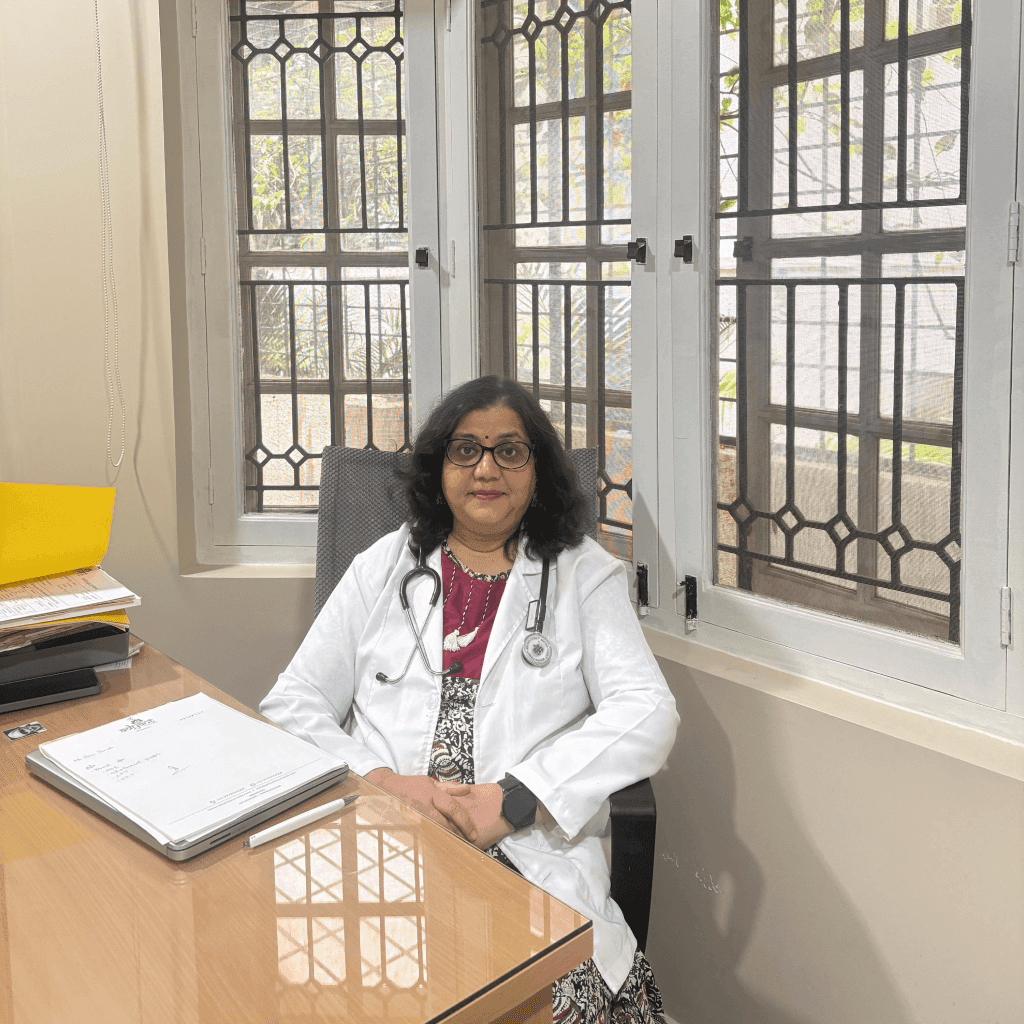
Causes, Symptoms, Hashimoto's Thyroiditis, Diet, Medicines and Panchakarma Therapies Written By: Dr. Shreelakshmi N, BAMS – Senior Ayurvedic Physician Medically Reviewed By: Dr. Sumana Patwardhan, BAMS, MD (Ayurveda) Medical Disclaimer: This article is intended for educational purposes only and should not be considered a substitute for professional medical advice, diagnosis, or treatment. Individuals with thyroid disorders should consult a qualified healthcare professional before making changes to medications, diet, or treatment plans.
Request an Appointment
Table of Contents
Need personalized advice?
Introduction
Hypothyroidism is a common endocrine disorder in which the thyroid gland fails to produce sufficient thyroid hormones required for maintaining metabolism, energy production, body temperature regulation, digestion, cardiovascular health, reproductive function, and cognitive performance.
Many individuals with hypothyroidism experience symptoms such as fatigue, unexplained weight gain, hair loss, constipation, depression, menstrual irregularities, cold intolerance, and brain fog. Since these symptoms often develop gradually, thyroid dysfunction may remain undetected for years before diagnosis.
Conventional medicine primarily manages hypothyroidism through thyroid hormone replacement therapy. While this approach is effective for correcting hormone deficiencies, some individuals continue to experience fatigue, metabolic sluggishness, digestive issues, and reduced quality of life despite normalized laboratory values.
Ayurveda approaches hypothyroidism from a broader perspective. Instead of focusing solely on the thyroid gland, Ayurveda considers digestion, metabolism, tissue nourishment, stress, lifestyle patterns, and dosha balance as interconnected factors influencing overall thyroid health.
This comprehensive guide explores hypothyroidism from both modern medical and Ayurvedic viewpoints and discusses supportive Ayurvedic approaches including Panchakarma therapies, dietary recommendations, herbal support, yoga, stress management, and lifestyle modifications.
What is Hypothyroidism?
The thyroid gland is a butterfly-shaped endocrine gland located in the front of the neck. It produces two major hormones:
- Thyroxine (T4)
- Triiodothyronine (T3)
These hormones regulate:
- Metabolism
- Energy production
- Body temperature
- Heart rate
- Digestion
- Brain function
- Muscle activity
- Hormonal coordination
- Reproductive health
Hypothyroidism occurs when the thyroid gland produces inadequate amounts of these hormones, resulting in a slowdown of multiple physiological processes.
Why Hypothyroidism is Becoming More Common
Thyroid disorders are increasing globally, particularly among women and urban populations. Factors that may contribute include:
- Chronic stress
- Sedentary lifestyle
- Poor sleep quality
- Nutritional deficiencies
- Autoimmune disorders
- Environmental toxins
- Processed food consumption
- Metabolic syndrome
In India, thyroid disorders remain significantly underdiagnosed because symptoms are often mistaken for lifestyle-related fatigue or stress.
Modern Medicine vs Ayurvedic View of Hypothyroidism
Aspect
Modern Medicine
Ayurveda
Primary Focus
Hormone Replacement
Metabolic Correction
Disease View
Thyroid Gland Disorder
Systemic Metabolic Imbalance
Goal
Normalize Hormone Levels
Restore Overall Balance
Approach
Symptom Management
Root Cause Assessment
Treatment
Medication-Based
Diet, Lifestyle, Herbs & Panchakarma
Both systems can work complementarily under qualified professional guidance.
Common Symptoms of Hypothyroidism
Symptoms may include:
- Persistent fatigue
- Weight gain
- Cold intolerance
- Hair thinning
- Hair loss
- Dry skin
- Constipation
- Depression
- Anxiety
- Brain fog
- Poor memory
- Hoarseness of voice
- Puffy face
- Menstrual irregularities
- Reduced libido
- Muscle weakness
- Joint discomfort
- Slow heart rate
The severity of symptoms varies significantly among individuals.
Early Signs Often Ignored
Many individuals experience subtle symptoms before diagnosis:
- Morning fatigue despite adequate sleep
- Difficulty concentrating
- Increased sensitivity to cold
- Mild unexplained weight gain
- Dry skin
- Hair texture changes
- Reduced motivation
- Digestive sluggishness
Early diagnosis can help prevent progression and complications.
Types of Hypothyroidism
Primary Hypothyroidism
The most common form resulting from thyroid gland dysfunction.
Secondary Hypothyroidism
Occurs due to pituitary gland abnormalities affecting TSH production.
Subclinical Hypothyroidism
Mild thyroid dysfunction characterized by elevated TSH levels with normal thyroid hormone levels.
Autoimmune Hypothyroidism (Hashimoto's Thyroiditis)
Results from immune-mediated damage to thyroid tissue.
Hashimoto's Thyroiditis and Ayurveda
Hashimoto's Thyroiditis is the most common autoimmune cause of hypothyroidism worldwide.
In this condition, the immune system mistakenly attacks thyroid tissue, gradually impairing hormone production.
Common Symptoms
- Fatigue
- Weight gain
- Hair loss
- Brain fog
- Dry skin
- Constipation
- Depression
- Menstrual irregularities
Ayurvedic Perspective
Hashimoto's Thyroiditis may involve:
- Agnimandya (weak digestive fire)
- Ama accumulation
- Kapha aggravation
- Ojas depletion
- Immune imbalance
Ayurvedic management focuses on supporting digestion, metabolism, immune regulation, and overall wellness.
Causes of Hypothyroidism
Modern Medical Causes
- Iodine deficiency
- Hashimoto's thyroiditis
- Thyroid surgery
- Radiation exposure
- Certain medications
- Pituitary disorders
- Congenital thyroid disorders
Causes According to Ayurveda
Ayurveda associates hypothyroidism with:
- Mandagni
- Ama accumulation
- Kapha aggravation
- Sedentary lifestyle
- Excess daytime sleep
- Improper dietary habits
- Chronic stress
- Poor digestive health
Gut-Thyroid Connection
Healthy digestion plays a crucial role in thyroid function.
Poor gut health may influence:
- Nutrient absorption
- Immune regulation
- Hormone conversion
- Metabolic efficiency
Ayurveda emphasizes strengthening Agni to improve overall metabolic harmony.
Stress and Thyroid Function
Chronic stress may influence the Hypothalamic-Pituitary-Thyroid (HPT) axis.
Stress can:
- Alter hormone conversion
- Affect sleep quality
- Increase fatigue
- Aggravate Vata imbalance
Stress management forms an important component of holistic thyroid care.
Hypothyroidism in Women
Women are significantly more likely to develop hypothyroidism.
Symptoms in Women
- Heavy menstrual bleeding
- Irregular periods
- Fertility challenges
- Hair loss
- Weight gain
- Mood fluctuations
Ayurveda considers thyroid health closely linked to reproductive and hormonal balance.
Hypothyroidism and Fertility
Thyroid hormones play an important role in:
- Ovulation
- Menstrual regularity
- Implantation
- Pregnancy maintenance
Untreated hypothyroidism may contribute to fertility challenges.
Ayurvedic treatment aims to support reproductive wellness through metabolic correction and hormonal balance.
Hypothyroidism During Pregnancy
Adequate thyroid hormone levels are essential during pregnancy.
Poorly controlled hypothyroidism may increase risks such as:
- Pregnancy complications
- Miscarriage
- Premature birth
- Maternal fatigue
Pregnant women should never discontinue prescribed thyroid medication without medical supervision.
Risk Factors for Hypothyroidism
Individuals at increased risk include:
- Women over 30
- Family history of thyroid disease
- Autoimmune disorders
- PCOS
- Obesity
- Diabetes
- Chronic stress
- Postpartum women
Possible Complications
If left untreated, hypothyroidism may contribute to:
- High cholesterol
- Cardiovascular disease
- Fertility problems
- Depression
- Peripheral neuropathy
- Metabolic dysfunction
Ayurvedic Perspective on Hypothyroidism
Ayurveda views hypothyroidism as a systemic metabolic imbalance involving:
- Kapha Dosha aggravation
- Vata imbalance
- Mandagni
- Ama accumulation
- Medo Dhatu dysfunction
- Dhatvagni disturbances
The condition is often understood under the concept of Anukta Vyadhi.
Conditions Commonly Associated with Hypothyroidism
Hypothyroidism frequently coexists with:
- Obesity
- Insulin resistance
- Type 2 Diabetes
- PCOS
- Fatty liver disease
- High cholesterol
- Autoimmune disorders
These interconnected metabolic disorders often benefit from comprehensive lifestyle-based management.
Ayurvedic Treatment Approach for Hypothyroidism
Treatment generally focuses on:
Shodhana
Detoxification through Panchakarma.
Shamana
Balancing aggravated doshas.
Rasayana
Long-term rejuvenation and tissue nourishment.
Adyant Ayurveda Protocol for Hypothyroidism
Stage 1: Assessment
- Prakriti analysis
- Dosha evaluation
- Thyroid profile review
- Lifestyle assessment
Stage 2: Metabolic Correction
- Agni enhancement
- Ama reduction
- Diet correction
Stage 3: Panchakarma
- Virechana
- Nasya
- Basti
- Udvartana
- Abhyanga
Stage 4: Rasayana Support
- Rejuvenation
- Hormonal support
- Metabolic stabilization
Panchakarma Therapies for Hypothyroidism
Virechana
Supports detoxification and metabolic function.
Nasya
Supports head and neck channels.
Basti
Helps balance Vata and improve gut health.
Udvartana
May support circulation and metabolic stimulation.
Abhyanga
Promotes relaxation and stress reduction.
Ayurvedic Herbs Commonly Used
- Kanchanar Guggulu
- Ashwagandha
- Brahmi
- Shankhapushpi
- Guggulu
- Triphala
- Punarnava
Herbal medicines should only be used under professional supervision.
Diet Recommendations for Hypothyroidism
Foods to Include
- Warm cooked meals
- Seasonal vegetables
- Whole grains
- Nuts and seeds
- Moderate ghee
- Protein-rich foods
Foods to Limit
- Processed foods
- Refined sugars
- Excess raw foods
- Cold foods
- Excess alcohol
Yoga and Pranayama
Yoga Asanas
- Sarvangasana
- Matsyasana
- Bhujangasana
- Ustrasana
- Setu Bandhasana
Pranayama
- Ujjayi
- Nadi Shodhana
- Bhastrika
Lifestyle Modifications
- Sleep 7–8 hours
- Follow regular meal timings
- Exercise regularly
- Practice meditation
- Limit screen exposure at night
- Manage stress effectively
Hypothyroidism vs Hyperthyroidism
Feature
Hypothyroidism
Hyperthyroidism
Metabolism
Slow
Fast
Weight
Gain
Loss
Energy
Fatigue
Hyperactivity
Heart Rate
Slow
Fast
Temperature
Cold Intolerance
Heat Intolerance
Research on Ayurveda and Hypothyroidism
Several published studies have evaluated Ayurvedic interventions in hypothyroidism and subclinical hypothyroidism.
Research suggests that Ayurvedic therapies may support:
- Energy levels
- Digestive health
- Quality of life
- Weight management
- Symptom improvement
Further high-quality clinical studies are still needed.
Why Early Treatment Matters
Early intervention may help:
- Improve quality of life
- Support metabolic health
- Maintain cardiovascular wellness
- Improve reproductive health
- Reduce long-term complications
Why Choose Adyant Ayurveda Bangalore?
At Adyant Ayurveda, treatment plans are individualized based on:
- Prakriti assessment
- Dosha evaluation
- Digestive strength
- Lifestyle analysis
- Clinical reports
- Disease stage
Our approach combines classical Ayurveda, Panchakarma therapies, personalized dietary guidance, yoga, and lifestyle modification to support long-term wellness.
Educational Disclaimer: This content is intended for educational purposes only and should not be considered medical advice. Treatment outcomes vary among individuals. Always consult a qualified healthcare professional before starting any treatment.
Frequently Asked Questions
Ayurveda focuses on improving metabolism, digestion, and overall health. Results vary between individuals.
Many patients use Ayurveda alongside conventional treatment under medical supervision.
Treatment duration varies depending on disease severity, thyroid levels, lifestyle, and associated conditions.
Ayurvedic management may support metabolism and healthy weight management when combined with dietary and lifestyle modifications.
Kapha aggravation, Vata imbalance, Mandagni, and Ama accumulation are commonly involved.
No. Treatment plans are individualized based on clinical evaluation.
Yes. Chronic stress may affect hormonal regulation and worsen symptoms.
Testing frequency should be determined by the treating physician based on individual needs.
Medical Disclaimer
This content is for educational purposes only and should not be considered medical advice. Always consult a qualified Ayurvedic doctor before undergoing any treatments.
Specialists