
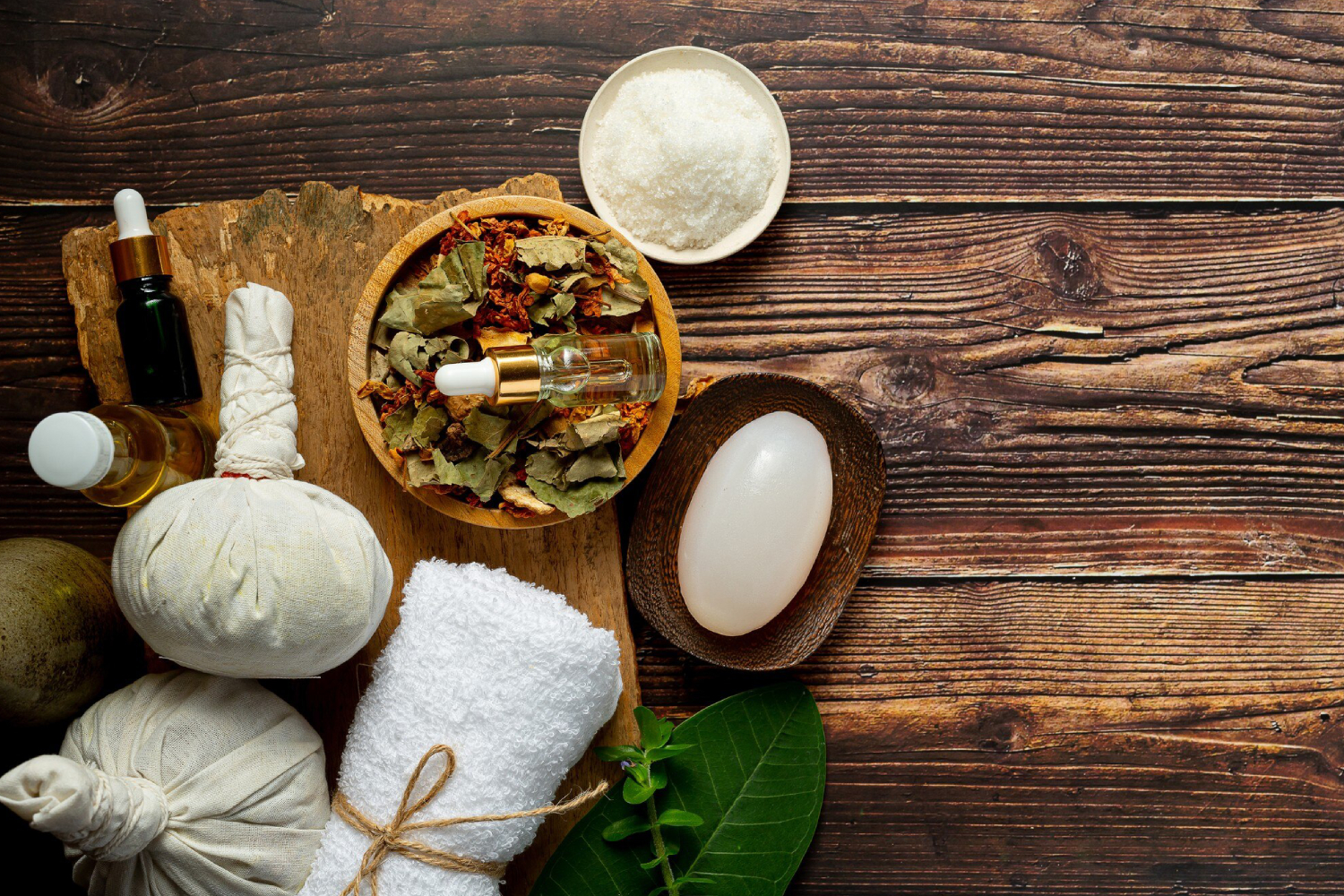
Ayurvedic Treatment for Hip Pain
Experience holistic Ayurvedic approach to restoring natural vitality naturally.
Request an Appointment
Table of Contents
Need personalized advice?
Introduction
Hip pain is a common musculoskeletal condition that can affect mobility, posture, walking ability, sleep quality, and overall quality of life. The pain may occur due to arthritis, muscle strain, injury, inflammation, age-related degeneration, nerve irritation, poor posture, or chronic joint stress.
Hip discomfort can range from mild stiffness to severe pain that interferes with daily activities such as walking, climbing stairs, sitting, or sleeping comfortably. In some individuals, hip pain may also affect the lower back, knees, or surrounding muscles.
Many individuals seek Ayurvedic treatment for hip pain because Ayurveda emphasizes a holistic and individualized approach that focuses on balancing doshas, improving joint health, supporting mobility, reducing inflammation, enhancing digestion, and promoting long-term musculoskeletal wellness.
At Adyant Ayurveda, hip pain management protocols are personalized according to body constitution (Prakriti), dosha imbalance, severity of symptoms, lifestyle patterns, digestion, age, mobility level, and associated conditions.
This article explains:
- What hip pain is
- Common symptoms and causes
- How Ayurveda understands hip pain
- Ayurvedic therapies and Panchakarma
- Adyant Ayurveda treatment protocol
- Diet and lifestyle recommendations
- Scientific evidence and limitations
- When to seek urgent medical care
Important Medical Note: Persistent or severe hip pain may indicate arthritis, fracture, nerve compression, infection, or other serious orthopedic conditions. Proper medical evaluation is important before beginning treatment.
Quick Answer: How Does Ayurveda Help in Hip Pain?
Ayurvedic treatment for hip pain focuses on balancing aggravated doshas (primarily Vata), supporting joint health, improving circulation and mobility, supporting digestion and metabolism, reducing stiffness, and incorporating personalized herbal support, Panchakarma therapies, dietary guidance, therapeutic procedures, and lifestyle modifications under professional supervision.
Key Highlights
- Ayurveda follows an individualized approach for hip pain management
- Vata imbalance is commonly associated with joint pain and stiffness
- Lifestyle, posture, and aging may influence hip discomfort
- Panchakarma therapies may support joint mobility in selected cases
- Diet and physical activity play important roles in joint wellness
- Stress and poor sleep may worsen pain perception
- Medical supervision remains important for persistent pain
What Is Hip Pain?
Hip pain refers to discomfort felt in or around the hip joint, groin, thigh, buttock, or surrounding muscles and tissues.
The pain may develop gradually or suddenly depending on the underlying cause.
Commonly Affected Areas
- Hip joint
- Groin
- Outer thigh
- Buttock region
- Lower back area
Physical Impact
- Difficulty walking
- Reduced flexibility
- Stiffness
- Difficulty climbing stairs
Emotional Impact
- Frustration due to reduced mobility
- Sleep disturbances
- Anxiety regarding chronic pain
Quality of Life Impact
- Reduced physical activity
- Difficulty exercising
- Dependence on support in severe cases
Facts and Statistics About Hip Pain
- Hip pain becomes more common with age
- Arthritis is one of the major causes of chronic hip pain
- Sedentary lifestyles may worsen joint stiffness
- Obesity may increase stress on the hip joint
- Early management may help support mobility and joint function
Common Symptoms
- Hip stiffness
- Pain while walking
- Groin discomfort
- Reduced range of motion
- Difficulty standing for long periods
Moderate Symptoms
- Pain radiating to the thigh
- Joint weakness
- Limping
- Difficulty sleeping on one side
Advanced Symptoms
- Severe mobility limitation
- Persistent pain at rest
- Joint instability
- Significant walking difficulty
Symptoms That Should Not Be Ignored
- Sudden inability to walk
- Severe swelling
- Fever with joint pain
- Severe trauma
- Numbness or weakness
- Persistent worsening pain
These symptoms require urgent medical evaluation.
Early Warning Signs
Early symptoms may include:
- Mild morning stiffness
- Pain after prolonged sitting
- Reduced flexibility
- Mild discomfort while walking
- Occasional clicking sensation
Early intervention may help reduce progression.
Joint-Related Causes
- Osteoarthritis
- Rheumatoid arthritis
- Joint inflammation
Muscular Causes
- Muscle strain
- Tendon irritation
- Overuse injuries
Structural Causes
- Hip bursitis
- Labral injuries
- Joint degeneration
Lifestyle Factors
- Poor posture
- Obesity
- Sedentary habits
- Repetitive stress
Age-Related Factors
Natural wear and tear may affect joint cushioning and mobility.
Risk Factors
- Increasing age
- Obesity
- Sedentary lifestyle
- Sports injuries
- Poor posture
- Chronic inflammatory disorders
- Family history of arthritis
Arthritic Hip Pain
Associated with joint degeneration and stiffness.
Muscular Hip Pain
Caused by strain or muscle imbalance.
Inflammatory Hip Pain
Associated with inflammation or autoimmune conditions.
Referred Hip Pain
Pain originating from the lower back or nerves.
Possible Complications if Left Untreated
- Reduced mobility
- Muscle weakness
- Chronic stiffness
- Difficulty walking
- Reduced independence
- Joint degeneration progression
How Is Hip Pain Diagnosed?
Diagnosis may involve:
- Medical history review
- Physical examination
- Mobility assessment
- X-rays or MRI
- Blood tests in selected cases
Orthopedic evaluation may be recommended depending on severity.
Conventional Treatment Overview
Conventional management may include:
- Pain-relieving medications
- Physical therapy
- Lifestyle modification
- Joint injections in selected cases
- Surgery in severe conditions
Treatment depends on the underlying cause and severity.
How Ayurveda Understands Hip Pain
According to Ayurvedic principles, hip pain is commonly associated with aggravated Vata dosha affecting joints, muscles, connective tissues, and movement pathways.
Dosha Involvement
- Primarily Vata imbalance
- Secondary Kapha involvement in stiffness
- Pitta involvement in inflammatory pain
Dhatu Involvement
- Asthi dhatu (bone tissue)
- Majja dhatu
- Mamsa dhatu (muscle tissue)
Agni Involvement
Poor digestion and metabolic imbalance may contribute to toxin accumulation and joint discomfort according to Ayurveda.
Ayurvedic Interpretation
Ayurveda emphasizes joint nourishment, mobility support, digestive correction, circulation support, and lifestyle balance for musculoskeletal wellness.
Initial Ayurvedic Consultation
At Adyant Ayurveda, assessment may include:
- Prakriti assessment
- Dosha analysis
- Joint mobility evaluation
- Digestive assessment
- Posture review
- Lifestyle analysis
- Pain pattern assessment
Internal Ayurvedic Approach
Treatment plans may focus on:
- Vata balance support
- Joint nourishment
- Mobility support
- Digestive correction
- Musculoskeletal wellness support
- Circulation support
External Ayurvedic Therapies
Depending on individual assessment:
- Therapeutic oil applications
- Localized therapies
- Heat therapies
- Joint support procedures
1. Detailed Ayurvedic Assessment
Each patient undergoes:
- Dosha evaluation
- Joint assessment
- Mobility analysis
- Lifestyle evaluation
- Digestive review
- Trigger identification
2. Personalized Herbal Support
Protocols may include Ayurvedic formulations traditionally used for:
- Joint wellness
- Vata balance
- Musculoskeletal support
- Mobility support
- Digestive wellness
3. Digestive and Metabolic Support
At Adyant Ayurveda, digestion is considered important for maintaining joint health.
Supportive measures may include:
- Agni balancing
- Personalized dietary planning
- Metabolic support
- Meal timing correction
4. Panchakarma Planning
Selected individuals may benefit from supervised Panchakarma therapies depending on:
- Severity
- Mobility restriction
- Body constitution
- Chronicity
5. Lifestyle and Mobility Guidance
Patients receive guidance regarding:
- Posture correction
- Gentle exercise
- Weight management
- Sleep support
- Daily joint care
6. Long-Term Maintenance Support
Maintenance plans may focus on:
- Supporting mobility
- Preventing stiffness
- Lifestyle consistency
- Long-term joint wellness
Panchakarma Therapies for Hip Pain
Therapy selection varies according to individual assessment and clinical needs.
Abhyanga
Therapeutic oil massage traditionally used for Vata balance and musculoskeletal relaxation.
Kati Basti
Localized oil retention therapy traditionally used for lower back and hip support.
Pinda Sweda
Herbal bolus therapy traditionally used for stiffness and mobility support.
Basti
Traditionally considered important in Ayurveda for Vata management and joint support.
Ayurvedic Herbs Traditionally Used for Joint Wellness
Herbal use should always be supervised by a qualified Ayurvedic practitioner.
Foods to Include
- Warm cooked foods
- Fresh vegetables
- Whole grains
- Adequate hydration
- Balanced healthy fats
- Easily digestible meals
Foods to Limit
- Excess processed foods
- Highly fried foods
- Excess sugar
- Excess cold foods in sensitive individuals
- Smoking and alcohol exposure
Helpful Practices
- Maintain healthy body weight
- Follow gentle exercise routines
- Improve posture
- Avoid prolonged sitting
- Practice stress management
- Maintain proper sleep
Yoga and Gentle Exercises
Movement practices may support flexibility and mobility.
Recommended Practices
- Gentle yoga
- Stretching exercises
- Walking
- Breathing exercises
- Relaxation practices
Exercises should be adapted according to mobility and pain levels.
How Long Does Ayurvedic Treatment Take?
Treatment duration depends on:
- Severity of pain
- Joint degeneration
- Age
- Physical activity levels
- Lifestyle adherence
- Follow-up consistency
Individual responses vary.
Factors That Influence Results
- Body weight
- Existing arthritis
- Physical activity
- Sleep quality
- Stress levels
- Dietary habits
- Treatment consistency
Before Treatment
- Undergo proper medical evaluation
- Share orthopedic history
- Discuss imaging reports if available
- Identify activity-related triggers
After Beginning Treatment
- Continue follow-up visits
- Follow mobility guidance
- Maintain dietary recommendations
- Monitor symptom changes
Scientific Research and Evidence
Some studies suggest that Ayurvedic therapies, massage procedures, yoga, lifestyle correction, and selected herbs may support joint comfort, mobility, and musculoskeletal wellness.
However, larger scientific studies are still needed specifically regarding Ayurvedic management of chronic hip pain.
Ayurvedic care should complement orthopedic evaluation and evidence-based musculoskeletal care where needed.
Potential Benefits
- Personalized care approach
- Holistic joint wellness support
- Lifestyle improvement
- Mobility support
- Focus on long-term musculoskeletal balance
Limitations
- Results vary individually
- Severe orthopedic damage may require surgery
- Chronic degeneration may need long-term management
- Consistency is important
When to Consult a Doctor Immediately
Seek immediate medical attention if you experience:
- Sudden inability to walk
- Severe swelling
- High fever with joint pain
- Severe injury
- Numbness or weakness
- Severe worsening pain
Frequently Asked Questions
Ayurveda does not claim guaranteed or permanent cures. Treatment focuses on supporting joint wellness, balancing doshas, improving mobility, and reducing triggers under professional supervision.
Hip pain is commonly associated with aggravated Vata dosha.
Selected Panchakarma therapies may be recommended under professional supervision depending on individual assessment.
Yes, maintaining healthy body weight may help reduce stress on the hip joints.
Ayurvedic medicines should only be used under guidance from qualified Ayurvedic practitioners.
Gentle yoga and stretching practices may support flexibility and mobility when performed appropriately.
Medical Disclaimer
This content is for educational purposes only and should not be considered medical advice. Always consult a qualified Ayurvedic doctor before undergoing any treatments.
Specialists