
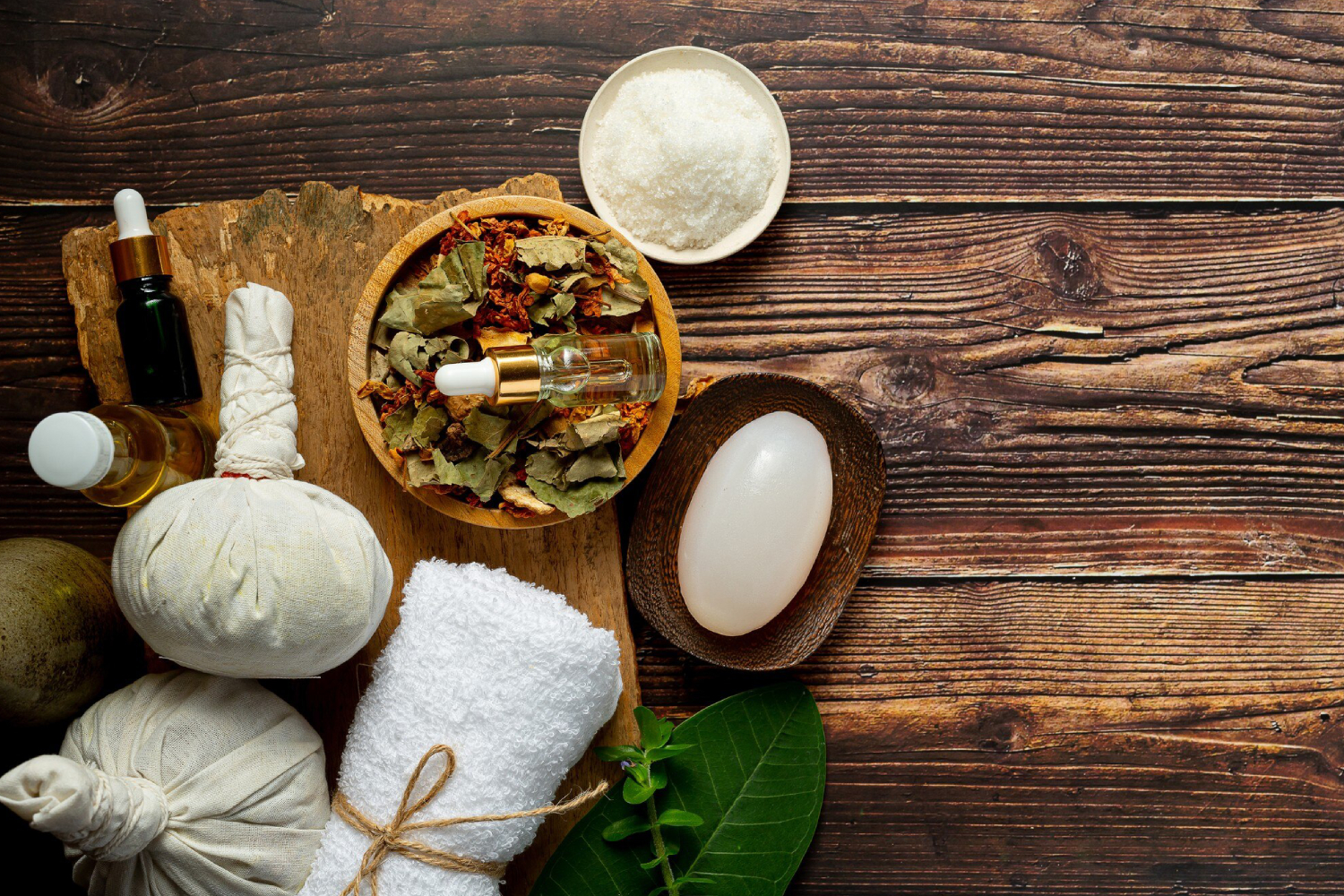
Ayurvedic Treatment for Frozen Shoulder (Apabahuka)
Experience holistic Ayurvedic approach to restoring natural vitality.
Request an Appointment
Table of Contents
Need personalized advice?
What is Frozen Shoulder?
Frozen shoulder, also known as adhesive capsulitis, causes stiffness, pain, and restricted movement in the shoulder joint. In Ayurveda, this condition is identified as Apabahuka, caused primarily due to Vata dosha imbalance and Ama (toxins) accumulation.
Who Gets It and Why It Matters
- Typically affects people aged 40–60 years
- More common in women than men
- Higher risk if you have diabetes, thyroid issues, or a sedentary lifestyle
- If left untreated, it can severely restrict mobility and daily activities
1. Freezing Stage (Painful Stage)
- Gradual onset of pain
- Increasing stiffness
- Lasts 6 weeks to 9 months
2. Frozen Stage (Stiffness Stage)
- Pain may reduce but stiffness remains
- Difficulty in daily tasks
- Lasts 4 to 6 months
3. Thawing Stage (Recovery Stage)
- Slow improvement in movement
- Pain continues to fade
- Can last 6 months to 2 years
Ayurvedic Causes of Frozen Shoulder (Apabahuka)
- Aggravated Vata Dosha: Dries up synovial fluid, leading to stiffness
- Ama (Toxins): Blocks srotas (channels), creating pain and inflammation
- Lack of exercise/posture issues: Aggravates Vata
- Emotional Stress: Affects Vata, leading to psychosomatic pain
Diagnosis & Consultation at Adyant Ayurveda
Before beginning treatment, our experienced Ayurvedic doctors perform a detailed consultation that includes:
- Nadi Pariksha (Pulse Diagnosis)
- Dosha Assessment
- Range of Motion Tests
- Lifestyle & Diet Analysis
This helps create a customized treatment plan that addresses the root cause and stage of your frozen shoulder.
Modern vs Ayurvedic Approach
Panchakarma Therapies at Adyant Ayurveda
- 1. Abhyanga (Medicated Oil Massage): Reduces Vata, improves circulation, eases stiffness
- 2. Patrapinda Sweda (Leaf Poultice Fomentation): Relieves pain, improves mobility, breaks down Ama
- 3. Kati Basti (Oil Pool Therapy): Retains warm herbal oils on shoulder area, deeply nourishes tissues
- 4. Matra Basti (Oil Enema): Directly balances Vata from the root, lubricates joints internally
- 5. Nasya Karma: Clears toxins from head/neck region, helpful for radiating pain
Herbal Medicines for Frozen Shoulder
- Guggulu (Commiphora mukul) – Anti-inflammatory, Vata balancing
- Nirgundi (Vitex negundo) – Effective pain-reliever, reduces swelling
- Shallaki (Boswellia serrata) – Strengthens joints and ligaments
- Dashamoola – Combats Vata and reduces stiffness
- Mahanarayan Taila / Dhanwantaram Taila – External application for pain relief
What to Eat:
- Warm, freshly cooked food
- Moong dal, cooked veggies, ghee
- Herbs: Turmeric, Ginger, Garlic, Cumin
- Seasonal fruits, almonds, sesame
- Warm water for sipping
What to Avoid:
- Cold, raw, refrigerated foods
- Excessive sugar, refined carbs
- Suppression of natural urges (e.g., sleep, appetite)
Recommended Asanas:
- Gomukhasana (Cow Face Pose)
- Eagle Arms (Garudasana arms)
- Thread the Needle Pose
- Wall Walk Stretch
Pranayama:
- Anulom Vilom
- Bhramari
What Our Patients Say
“After struggling with shoulder pain for 9 months, Adyant Ayurveda’s Panchakarma therapy helped me get back full movement without steroids!” – Priya S., Bangalore
“The treatments are so relaxing yet powerful. The doctors genuinely care. Highly recommend Adyant Ayurveda for anyone dealing with frozen shoulder.” – Ramesh K., Jayanagar
Why Choose Adyant Ayurveda for Frozen Shoulder Treatment in Bangalore?
- 24+ years of experience in Panchakarma & pain management
- Multi-specialty Ayurvedic doctors at 4 branches in Bangalore
- Personalized approach based on Dosha and disease stage
- Safe, non-invasive therapies and herbal medicines
- Affordable treatment packages
Final Thought
Don’t let frozen shoulder limit your life.
Book your consultation today at Adyant Ayurveda and start your journey to pain-free movement—naturally.
Frequently Asked Questions
Avoid cold foods, stress, and excessive shoulder strain.
Yes, with consistent Panchakarma, medicines, and lifestyle changes.
Yes. Warm fomentation and Swedana therapy reduce stiffness.
Mahanarayan Taila, Dhanwantaram Taila, Bala Ashwagandhadi Taila.
Absolutely. Treatments are customized and gentle.
2–6 weeks based on stage and chronicity.
Yes, but under guidance. Ayurvedic therapies and mild movements complement each other.
Yes. Ayurvedic diet helps balance Vata and clear Ama, which speeds recovery.
Usually yes, but consult our Ayurvedic doctor for personalized advice.
Yes. Mental stress can aggravate Vata and contribute to recurrence. Meditation helps.
Medical Disclaimer
This content is for educational purposes only and should not be considered medical advice. Always consult a qualified Ayurvedic doctor before undergoing any treatments.